
Burnt bottoms. Mushy tops. A pot that boils over the second you look away. If that’s your history with rice, you’re not alone, and it’s usually not your fault. Most people never learn how to cook parboiled rice properly because it behaves differently from the white rice they grew up making.
Parboiled rice, sometimes labeled converted rice on the bag, is partially boiled in its husk before milling. That single extra step during processing means it absorbs water differently, needs different timing on the stove, and almost never turns into a sticky clump. Once you understand that difference, the rest is simple.
This guide walks through the exact ratio, the timing, the common mistakes, and a few alternate methods for anyone without a stovetop pot to spare. By the end, you’ll know how to cook parboiled rice on the stove, in a rice cooker, in an Instant Pot, or even in a microwave.
What Makes Parboiled Rice Different
Regular white rice is milled straight from the raw grain. Parboiled rice goes through soaking, steaming, and drying while it’s still inside its husk, and that process pushes nutrients from the outer bran layer into the starchy center of the grain.
The result is a rice that looks slightly golden before cooking and turns pale, firm, and separate once it’s done. That soak-steam-dry sequence originally caught on because it made husking easier by hand, and it has stuck around because it boosts the grain’s nutrient content, firms up its texture, and leaves it less vulnerable to pest damage during storage.
That firmness is the whole point. Because the starch has already been partially gelatinized during processing, the grains stay intact in the pot instead of breaking down into a paste. It’s the same reason parboiled rice reheats and freezes so well, unlike softer white rice varieties that clump the moment they cool.
Anyone who has managed a busy kitchen knows this matters more than it sounds. A rice that survives being made ahead, chilled, and reheated later is a rice that actually fits real schedules. That’s a big part of why parboiled rice shows up so often in meal prep containers and buffet trays.
The Exact Water Ratio for How to Cook Parboiled Rice
Here’s where most recipes get vague. The truth is the ratio depends slightly on grain length, and getting it right is the single biggest factor in whether your rice turns out fluffy or gummy.
For long grain parboiled rice, use 2¼ cups of water for every 1 cup of rice. For medium grain parboiled rice, cut that back slightly to 2 cups of water per cup of rice. Both ratios assume a standard covered pot on the stove, not a rice cooker or pressure cooker, since those appliances handle evaporation differently.
- Long grain parboiled rice: 1 cup rice to 2¼ cups water
- Medium grain parboiled rice: 1 cup rice to 2 cups water
- Rice cooker method: closer to 1 cup rice to 1½–2 cups water, depending on the model
- Instant Pot or electric pressure cooker: about 1 cup rice to 1¾ cups water
If your finished rice keeps turning out mushy, the fix usually isn’t the cooking time. It’s too much water in the pot to begin with.
How to Cook Parboiled Rice on the Stove, Step by Step
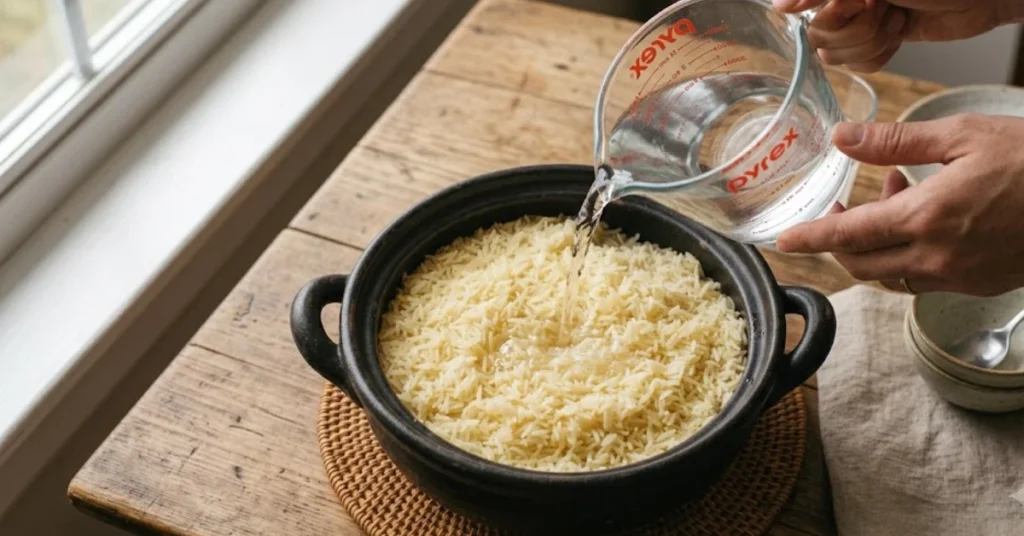
This is the version most people actually need, and it’s the one worth memorizing.
Step 1: Rinse the rice. Parboiled rice carries a light dusting of starch from processing and storage. Rinse it under cold water in a fine mesh strainer until the water runs mostly clear. Skipping this step is a common reason grains clump together later.
Step 2: Bring water to a boil. In a heavy-bottomed saucepan, bring 2¼ cups of water to a rolling boil for every cup of long grain parboiled rice. Add a pinch of salt now, plus a small splash of oil or butter if you want the grains to stay extra separate.
Step 3: Stir in the rice and cover. Add the rinsed rice to the boiling water, give it one stir, then immediately reduce the heat to low and cover the pot with a tight-fitting lid.
Step 4: Simmer without peeking. Let the rice simmer gently for 20 to 25 minutes. Lifting the lid partway through lets steam escape and slows the whole process down, so resist the urge to check on it.
Step 5: Rest, then fluff. Turn off the heat and let the covered pot sit undisturbed for another 5 to 10 minutes. This resting period lets trapped steam finish softening the center of each grain. Fluff gently with a fork before serving.
That five-step sequence is the core of how to cook parboiled rice on a standard stovetop, and it holds up whether you’re making one cup for a weeknight side or scaling up for a family dinner.
Cooking Parboiled Rice in a Rice Cooker, Instant Pot, or Microwave
Not everyone wants to babysit a pot, and parboiled rice works just as well in other appliances.
Rice cooker: Rinse the rice, add it to the cooker with water at roughly a 1:1.5 to 1:2 ratio, and run the standard white rice cycle. Let it rest with the lid closed for five to ten minutes after the cooker switches off before fluffing.
Instant Pot or electric pressure cooker: Use a slightly reduced ratio, around 1¾ cups of water per cup of rice, since less liquid evaporates under pressure. Cook on high pressure for 6 minutes, then let the pressure release naturally for about 10 minutes before venting the rest manually.
Microwave: Combine rice and water in a microwave-safe dish, cover loosely to leave a vent for steam, and microwave on high for 5 minutes. Drop the power to 50 percent and continue for another 15 to 20 minutes, then let the dish stand, covered, for five minutes before fluffing.
Professionals running high-volume kitchens tend to favor the rice cooker method specifically because it’s hands-off and consistent from batch to batch, which matters more than shaving a few minutes off the stovetop version.
What the Research Shows About Parboiled Rice
Detailed analysis of parboiled rice’s processing shows it isn’t just a texture trick. Compared to unenriched regular white rice, parboiled rice is higher in B vitamins, largely because some nutrients transfer from the bran into the starchy center of the grain during parboiling.
There’s also a measurable effect on blood sugar response. In one study, people with type 2 diabetes who ate roughly 1⅛ cups of cooked parboiled rice after fasting overnight saw a smaller rise in blood sugar, about 35 percent less, compared with eating the same amount of regular white rice. That’s a meaningful data point for anyone choosing rice varieties with blood sugar management in mind, though it isn’t a substitute for individualized medical guidance.
A closer look at the cooking side shows a similar pattern: parboiled rice’s pre-gelatinized starch is exactly why it resists overcooking. That single processing step, done long before the bag gets to a grocery shelf, is doing most of the work by the time it hits your pot.
Common Mistakes and How to Fix Them
Even with the right ratio, a few habits can throw off the whole batch.
Too much water. This is the single most common cause of mushy rice. If your finished batch is soggy, cut the water back by a quarter cup next time rather than shortening the cook time.
Not enough water. The opposite problem shows up as rice that’s still firm or chalky in the center. Add slightly more water and let it simmer a few minutes longer.
Lifting the lid repeatedly. Every peek releases steam that the rice needs to finish cooking evenly. Trust the timer instead of your eyes.
Skipping the rest period. Rice pulled straight off the heat without resting often looks underdone even when it isn’t. Give it that final five to ten minutes, covered, before judging the texture.
Using the wrong grain-length ratio. Long grain and medium grain parboiled rice absorb water differently, and using the wrong figure is a quiet reason batches turn out inconsistent.
Serving Ideas and Storage Tips
Once you’ve nailed how to cook parboiled rice, it’s worth knowing how to use and store it well.
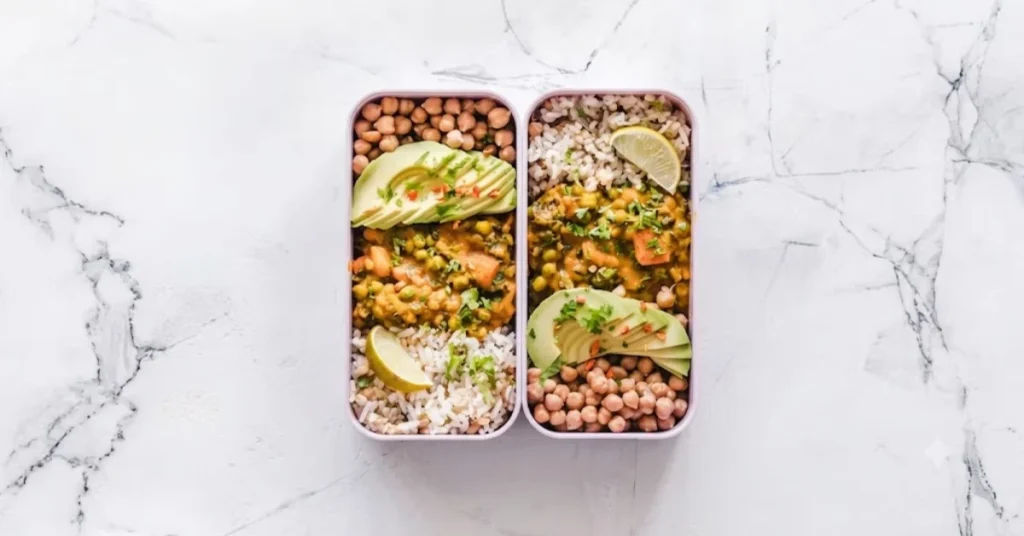
Because the grains stay separate, parboiled rice is a strong base for fried rice, grain bowls, stuffed peppers, and cold rice salads tossed with vinaigrette. Its slightly firmer bite also holds up in soups and stews without turning to mush after a second reheating.
For storage, cool the rice quickly, transfer it to a sealed container, and refrigerate for up to four to five days. It also freezes well for up to a month; just add a splash of water when reheating to loosen the grains back up.
Conclusion
Learning how to cook parboiled rice comes down to two things: the right water ratio and the patience to leave the lid alone. Get the 1:2 to 1:2¼ rice-to-water balance right, give the pot its full simmer and rest time, and you’ll end up with fluffy, separate grains whether you’re cooking on the stove, in a rice cooker, or under pressure. It’s a small skill, but it’s one that pays off at nearly every dinner table in 2026 and beyond.
This article is for general informational purposes. For specific dietary or blood sugar management concerns, consult a qualified healthcare professional.
FAQs
Is parboiled rice the same as instant rice?
No. Parboiled rice, also called converted rice, is partially cooked during processing but still needs a full simmer to finish. Instant rice has been fully cooked and dehydrated, so it only needs a few minutes of rehydration.
Why does parboiled rice take longer to cook than white rice?
The parboiling process reshuffles the starch structure, so the grains need a bit more time and water to soften fully compared to standard white rice, though still less time than brown rice.
Do I need to soak parboiled rice before cooking?
No soaking is required. Rinsing to remove surface starch is enough for most stovetop, rice cooker, and Instant Pot methods.
Can I add flavor while cooking parboiled rice?
Yes. Swapping some or all of the water for broth, or adding a bay leaf, garlic clove, or a spoon of butter to the pot, works well since the grains stay separate enough to absorb added flavor.
Why did my parboiled rice turn out mushy?
Almost always too much water relative to rice, or overcooking past the point the water has fully absorbed. Reduce the water slightly and check for doneness right at the 20-minute mark next time.