
The first time I dropped a handful of black lentils into a pot, I expected them to behave like the red ones I’d been buying for years. They didn’t. Twenty minutes later I had firm, glossy little beads that still held their shape on the spoon, and I understood why so many home cooks ask specifically how to cook black lentils instead of just “how to cook lentils.” The two aren’t interchangeable, and treating them the same way is where most kitchen disappointments start.
Black lentils, often labeled beluga lentils because their sheen resembles caviar, are one of the few pulses that stay intact through a full simmer. That single trait changes everything about how you should approach them, from the water ratio to the moment you decide they’re done.
What Makes Black Lentils Different From Other Varieties
Anyone who has cooked a pot of red lentils knows the drill. Add water, walk away for ten minutes, come back to something closer to soup than a side dish. Black lentils don’t do that.
Their outer husk stays intact during cooking, so the lentil holds its shape from the first boil to the last bite. That’s the whole reason chefs reach for them in salads, grain bowls, and cold meal-prep containers where mushiness would ruin the texture.
The flavor leans earthy and slightly nutty, closer to a black bean than to the milder red or split lentils. And because they don’t collapse, they pair well with bold, acidic dressings without turning into mush by the time you eat leftovers on day three.
How to Cook Black Lentils on the Stovetop
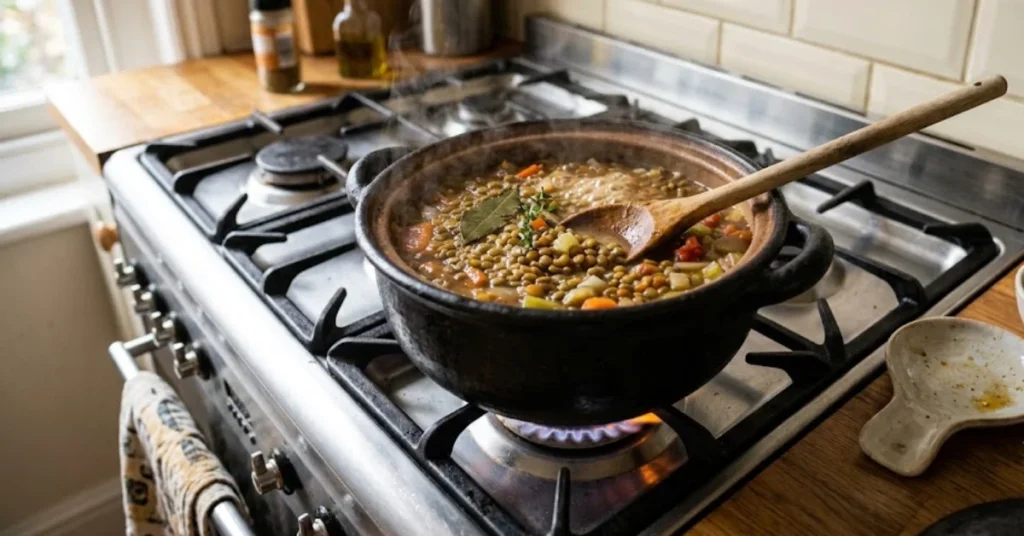
This is the method most people land on, and for good reason. It needs one pot and almost no attention once the lentils hit a simmer.
Step 1 — Rinse them. Pour the dried lentils into a fine mesh strainer and rinse under cold water. This clears out dust and the occasional small stone that sneaks into bulk bins. Skip soaking entirely — unlike chickpeas or kidney beans, black lentils cook fast enough that soaking adds no real benefit.
Step 2 — Set the ratio. Use three cups of water for every one cup of dried lentils. Since the extra water gets drained off at the end, this doesn’t need to be exact — just make sure the lentils stay fully submerged the whole time.
Step 3 — Boil, then simmer. Bring the pot to a rolling boil, add a pinch of salt, then drop the heat to low and cover loosely. Simmer for 20 to 25 minutes.
Step 4 — Check for doneness. Around the 18-minute mark, taste one. You’re looking for tender with a slight bite in the center, not soft all the way through. Overcooked black lentils lose the firmness that makes them worth choosing in the first place.
Step 5 — Drain and season. Tip the pot into a strainer to remove any remaining water, then season while they’re still warm. Salt absorbs better into hot lentils than cold ones.
One cup of dried black lentils yields roughly two and a half cups cooked, which works out to about five side-dish servings. That’s useful math if you’re meal-prepping for the week.
How to Cook Black Lentils in an Instant Pot
If the stovetop method already sounds low-effort, the pressure cooker version trims it down even further and frees up a burner for the rest of dinner.
Combine one cup of rinsed lentils with two and a quarter cups of water or broth directly in the pot. Seal the lid, set the valve to sealing, and cook on high pressure for eight minutes. Let the pressure release naturally for five minutes before switching to a quick release for the rest.
Anyone who has run a pressure cooker on a weeknight knows the appeal isn’t really speed — it’s the ability to walk away completely. Broth instead of water adds a noticeable depth of flavor without any extra steps, and it’s a swap worth making if you have stock on hand.
Seasoning and Flavor Pairings That Work
Black lentils are close to a blank canvas once cooked, which is part of their appeal. They pick up whatever flavor you build around them.
A few combinations that consistently work:
- Cumin, garlic, and a squeeze of lime for a Tex-Mex bowl base
- Olive oil, lemon juice, and fresh parsley for a Mediterranean-style salad
- Ginger, soy sauce, and sesame oil for an Asian-inspired grain bowl
- Bay leaf and thyme simmered directly in the cooking water for a French-leaning side dish
Sautéing onion and garlic in the pot before adding the lentils and water builds flavor from the base up, rather than relying entirely on seasoning at the end. This step matters more than most recipes give it credit for.
What the Research Shows
Detailed analysis of lentil nutrition consistently points to the same conclusion: color barely changes the core nutritional value. According to Healthline, lentils in any color are low in calories, rich in iron and folate, and an excellent source of protein, while also containing polyphenols that may help lower several heart disease risk factors.
Black lentils specifically bring a firmer bite and a denser mineral profile per serving compared with the red or split varieties that break down fastest. Research into cooking behavior across pulse types also shows that whole, unsplit lentils — black and green being the main examples — retain their structure specifically because the seed coat stays intact through the boiling process. That’s a mechanical property, not a nutritional one, and it’s the real answer to why texture varies so much between lentil colors.
Nutritionists working with plant-based diets often point to lentils as one of the more efficient protein sources available at a grocery store, largely because they cook quickly and don’t require the overnight soak that dried beans do.
Storage, Meal Prep, and Common Mistakes
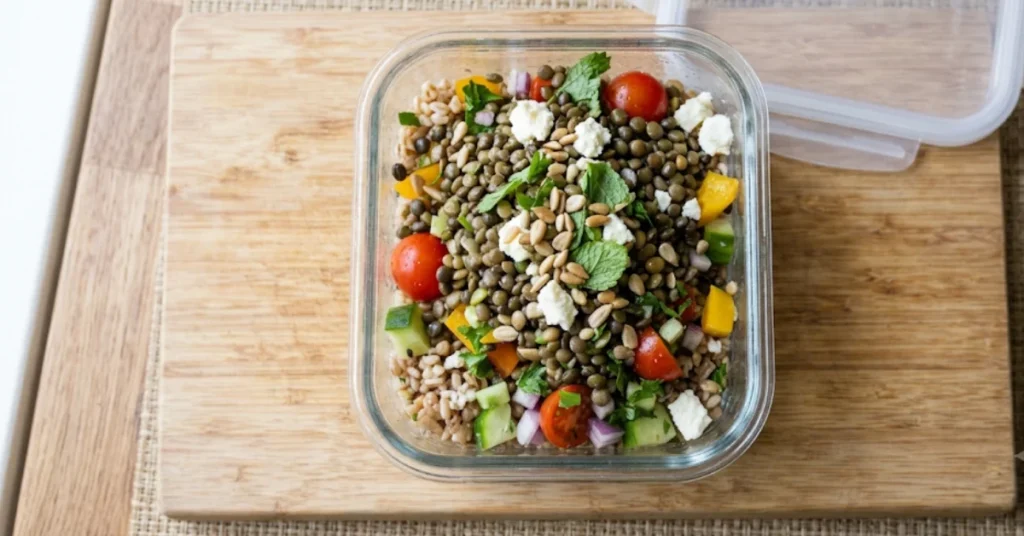
Cooked black lentils keep well in the refrigerator for about five to seven days in a sealed container, which makes a big batch on Sunday a reasonable base for several meals. They also freeze cleanly for up to six months — portion them flat in freezer bags so they thaw fast.
Dried lentils, unopened, can sit in a pantry for up to a year in an airtight container, though older stock takes longer to soften. If a batch is refusing to cook tender after 30 minutes, it’s usually a sign the lentils have been sitting in the cupboard too long, not a mistake in your method.
The most common misstep isn’t undercooking. It’s the opposite. Because black lentils look firm even when they’re actually done, cooks tend to leave them simmering past the point of no return, and that’s when they start to split and turn mushy anyway — defeating the entire reason to buy this variety over a cheaper red lentil. Set a timer at 18 minutes and start tasting from there.
A second mistake worth flagging: salting the water too early. Adding salt before the lentils have softened can toughen the skins and stretch the cooking time. Salt near the end instead, once they’re already tender.
FAQs
Do black lentils need to be soaked before cooking?
No. Unlike dried beans, black lentils cook fully in 20 to 25 minutes without any soaking step.
Why do my black lentils stay hard even after 30 minutes?
This usually points to old stock. Lentils that have sat in storage for over a year take noticeably longer to soften and sometimes never fully tenderize.
Can I substitute black lentils for green or brown lentils in a recipe?
Yes, in most cases. They share a similar cook time and both hold their shape, though black lentils have a slightly earthier flavor.
Is it better to cook black lentils in water or broth?
Either works, but broth adds flavor with zero extra effort — a straightforward upgrade if you already have stock on hand.
How much does one cup of dried black lentils make once cooked?
Roughly two and a half cups, enough for about five side-dish servings.