
So does a root filling hurt? It’s the question almost everyone asks the moment a dentist says those two dreaded words. The short answer: not while it’s happening. Local anesthetic numbs the tooth before your dentist touches it, so the procedure itself feels more like pressure than pain. The soreness people actually remember usually shows up afterward, once the numbness fades and the tooth settles.
That gap between expectation and reality is exactly why root fillings have such a bad reputation. Anyone who’s watched an old movie scene of a dentist drilling without warning has an outdated picture stuck in their head. Modern dentistry has moved a long way past that, and 2026’s anesthesia and imaging tools have made the whole experience far more predictable.
Does a Root Filling Hurt During the Procedure Itself?

During the actual treatment, no — you shouldn’t feel sharp pain. Your dentist numbs the area with a local anesthetic injection before touching the tooth’s pulp, and they’ll wait until you’re fully numb before starting.
According to Mayo Clinic, decades ago root canal treatments were often genuinely painful, but modern numbing medicine means most people now feel little or no pain during the procedure itself. In fact, Mayo Clinic notes that living with an untreated decayed or infected tooth is usually more painful than the treatment designed to fix it.
You might notice:
- Pressure or vibration from the dental instruments
- A dull sensation when the dentist accesses the pulp chamber
- Jaw stiffness from holding your mouth open
- Mild vibration from ultrasonic cleaning tools
None of that should register as sharp pain. If it does, tell your dentist immediately — a very infected tooth can sometimes be harder to numb fully, and they may need to top up the anesthetic or wait a little longer for it to take effect.
What Actually Causes the Pain People Associate With Root Fillings?
Here’s the twist most patients don’t expect. The pain people blame on root fillings usually came from the infected tooth before treatment started, not from the treatment itself. Throbbing aches, sharp sensitivity to hot or cold, and pain when chewing are all signs of the underlying infection or inflamed pulp that made the root filling necessary in the first place.
The NHS explains that root canal treatment is used to treat or prevent this exact kind of pain, removing the dead or dying pulp tissue and the bacteria that came with it. Once that infected tissue is gone, most patients report their pain drops significantly rather than getting worse.
So when someone asks does a root filling hurt more than the toothache that led them there, dentists will almost always say the opposite is true. The treatment is designed to end the pain, not start it.
What About Soreness Afterward?
This is where most of the real discomfort actually happens, and it’s usually mild. Once the anesthetic wears off, a couple of hours after your appointment, you may notice:
- Tenderness around the treated tooth
- Mild soreness when biting down
- Slight jaw stiffness
- Gum swelling near the site
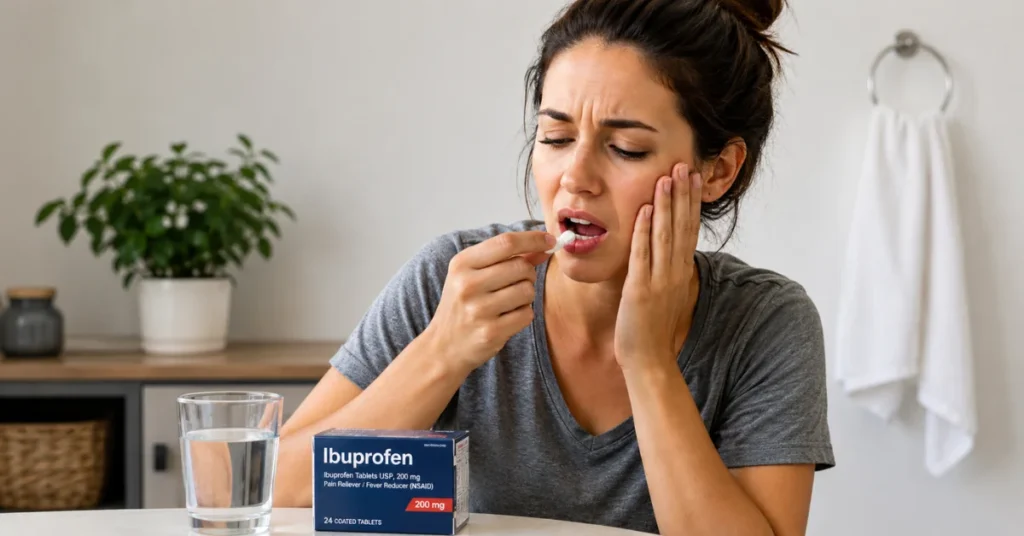
Mayo Clinic’s guidance is direct on this point: the first few days after a root filling, the tooth may feel sensitive, and over-the-counter pain relievers are usually enough to manage it. Most dentists recommend ibuprofen or acetaminophen, sometimes alternated for stronger relief when both are safe for the patient to take.
Anyone who’s gone through a root filling knows the soreness tends to peak in the first day or two, then fade steadily. The NHS states that the area around the tooth may feel swollen and sore, but it should get better within a couple of weeks at most.
A Realistic Recovery Timeline
Recovery isn’t identical for everyone, but there’s a general pattern worth knowing before you go in:
Day 1–2: Mild to moderate soreness, tenderness when biting, possible jaw stiffness from keeping your mouth open. Cold compresses and OTC pain relief handle this well for most people.
Day 3–5: Noticeable improvement. Soreness should be trending downward, not upward. If pain increases during this window instead of easing, that’s a signal to call your dentist rather than wait it out.
Week 2: Lingering sensitivity may still be present, particularly to pressure, but sharp or constant pain shouldn’t be part of the picture anymore.
If you have a temporary filling in place, avoid chewing on that side of your mouth until the permanent crown or restoration goes in. A temporary filling that’s slightly too high can also cause ongoing soreness simply because your bite keeps striking it first, something an adjustment appointment can fix quickly.
Why the Fear Around Root Fillings Persists
Dental anxiety around root canals is common, and much of it is inherited rather than experienced firsthand. Family stories, old jokes, and outdated portrayals in film and television have kept alive a version of the procedure that stopped matching reality decades ago. Before modern local anesthetics and precision instruments became standard, manual files and weaker numbing agents made treatment genuinely uncomfortable for patients.
People who’ve actually sat through a modern root filling tend to describe it differently than people who haven’t. Most say it felt comparable to getting a regular filling, just a bit longer. That gap between the old reputation and the current reality is worth remembering the next time someone asks does a root filling hurt and assumes the answer is automatically yes.
For patients with dental phobia, most practices now offer additional support such as nitrous oxide or oral sedation. This doesn’t change whether the procedure itself is painful, since the local anesthetic already handles that, but it does help with the anxiety that builds up before the appointment.
What the Research Shows
Clinical data on post-treatment discomfort backs up what most dental organizations already say. Research on patient experience after endodontic treatment consistently shows that a meaningful share of patients feel some discomfort during the first week, and that this is considered a normal part of healing rather than a warning sign. What separates normal healing from a problem is the direction the pain moves — steadily improving each day is expected, while pain that spikes after day three to five, or persists well beyond two weeks, typically points to something that needs a follow-up visit.
Analysis of persistent post-treatment pain cases also shows that not all lingering discomfort comes from the treated tooth itself. Conditions like jaw joint dysfunction, sinus pressure in the upper back teeth, and referred muscle tension can all mimic tooth pain closely enough to confuse both patients and dentists. This is part of why a good evaluation for ongoing pain includes checking for these other causes rather than assuming the root filling itself has failed.
Who Should Pay Closest Attention to This
Not every patient experiences a root filling the same way, and a few groups benefit from extra awareness:
First-time patients often carry the most anxiety simply because they don’t know what to expect. Knowing that modern anesthesia makes the procedure comparable to a filling helps set realistic expectations going in.
Patients with existing anxiety or phobia should mention this before the appointment. Sedation options exist specifically for this group, and dentists would rather know upfront than manage a panicked patient mid-procedure.
People treating a molar should expect a slightly longer appointment, since molars often have more canals and more complex root structures than front teeth. This doesn’t mean more pain, just more time under anesthesia.
Parents of children needing pulp treatment can take comfort in the fact that pediatric endodontic procedures use age-appropriate anesthesia and, in many cases, nitrous oxide specifically to keep the experience calm and comfortable for younger patients.
Simple Ways to Make Recovery More Comfortable
A few habits genuinely make the days after a root filling easier:
- Stick to soft foods like yogurt, scrambled eggs, or pasta for the first day or two
- Avoid chewing on the treated side until a permanent restoration is placed
- Take pain relievers as directed rather than waiting until discomfort peaks
- Use a cold compress in short bursts if swelling develops
- Keep brushing and flossing gently, just avoid aggressive pressure near the treated tooth
None of this is complicated, but skipping it — biting into something hard on day one, for instance — is one of the more common reasons people report worse soreness than expected.
When Pain After a Root Filling Isn’t Normal
Contact your dentist promptly if you notice any of the following:
- Pain that gets worse rather than better after the third day
- Visible swelling that continues to grow instead of shrinking
- A fever alongside tooth pain
- Pain that doesn’t respond to over-the-counter medication at all
- A bad taste or discharge coming from the treated tooth
These symptoms can point to a missed canal, a lingering infection, or a bite that needs adjusting. All of these are treatable, and catching them early keeps a minor issue from becoming a bigger one.
Final Thoughts
So, does a root filling hurt? During the procedure, thanks to local anesthetic, it generally doesn’t. What most people actually remember is mild soreness in the days that follow, and that soreness is a normal, manageable part of healing rather than a sign that something went wrong. The pain that gave the procedure its scary reputation almost always came from the infected tooth beforehand, not the treatment meant to fix it.
Knowing what to expect — a numb procedure, a few sore days, and a steady improvement from there — takes a lot of the fear out of the experience. If you’re facing a root filling in 2026, going in with accurate expectations rather than decades-old horror stories will make the whole process feel far more manageable than you might think.
This article is for informational purposes only. Always consult a qualified dental professional for advice specific to your situation.
FAQs
Does a root filling hurt more than a regular filling?
No. Both procedures use local anesthetic, and most patients describe the discomfort level as roughly the same for each.
How long does soreness last after a root filling?
Most people feel noticeably better within a few days and largely back to normal within one to two weeks.
Can I go back to work right after a root filling?
Yes, most patients return to normal activities the same day, though it’s best to avoid eating until the numbness wears off completely.
Is it normal to still feel pain two weeks after treatment?
Mild lingering sensitivity can be normal, but pain that hasn’t eased by then is worth a follow-up visit to rule out complications.
What can I take for pain after a root filling?
Over-the-counter options like ibuprofen or acetaminophen are usually sufficient; check with your dentist before combining medications.