
Red, gritty, watering eyes first thing in the morning usually mean one thing: pink eye. If you’re searching for how to treat pink eye home remedy options that actually calm things down, you’re not alone — this is one of the most common eye complaints doctors see every week, especially during school terms and changing seasons.
This article is for informational purposes only. Always consult a qualified professional for diagnosis or treatment of any eye condition, especially if symptoms are severe or don’t improve.
Pink eye, medically known as conjunctivitis, happens when the thin membrane covering the white of the eye and the inside of the eyelid becomes inflamed. That inflammation is what gives the eye its telltale pink or reddish tint. It can be caused by a virus, bacteria, or an allergic reaction, and figuring out which one you’re dealing with changes what actually helps.
What Pink Eye Actually Is Before You Treat It
Before reaching for any remedy, it helps to understand the type of conjunctivitis involved. Viral conjunctivitis behaves a lot like a cold in the eye — it often comes with a runny nose or sore throat and tends to clear on its own within one to two weeks. Bacterial conjunctivitis usually produces thicker, yellow or green discharge and may need a prescription if it doesn’t improve in a few days. Allergic conjunctivitis is the odd one out: it isn’t contagious, tends to affect both eyes at once, and is driven by triggers like pollen, dust, or pet dander rather than infection.
Anyone who has dealt with a child waking up with eyelids stuck shut from dried discharge knows how alarming it looks, even though it’s rarely dangerous. The crusting is just dried mucus, not a sign the infection is getting worse.
How to Treat Pink Eye Home Remedy Options That Actually Work

These are the approaches eye care professionals consistently point to as safe and genuinely soothing while the underlying infection or irritation runs its course.
Cool or warm compresses. Soaking a clean, lint-free cloth in cool water, wringing it out, and pressing it gently against closed eyelids for ten to fifteen minutes helps reduce swelling and discomfort. A warm compress can work just as well for loosening crusted discharge, particularly in the morning. The key detail people often miss: use a fresh cloth for each eye if only one is affected, so you don’t spread the infection from one eye to the other.
Artificial tears. Over-the-counter lubricating eye drops, sold as “artificial tears,” can ease the dry, gritty feeling without introducing any medication into the eye. Keeping the bottle in the refrigerator adds an extra cooling effect that many people find more comforting.
Gentle cleaning with cooled boiled water. Soaking a clean cotton ball in water that’s been boiled and then cooled, then wiping gently from the inner corner of the eye outward, helps clear discharge without irritating the area further. A new cotton ball should be used for every wipe.
Over-the-counter pain relief. Standard pain relievers like ibuprofen can take the edge off any discomfort or pressure, particularly in cases with more noticeable swelling.
Removing the trigger, for allergic cases. If pollen, smoke, or a new cosmetic product is the cause, the most effective remedy isn’t a compress at all — it’s distance from whatever is causing the reaction, paired with antihistamine drops if needed.
Home Remedies People Try That Don’t Actually Help
There’s a long list of internet-famous “cures” for pink eye that eye specialists consistently warn against, and it’s worth knowing them before you try something that could make things worse.
- Breast milk applied to the eye — studies have not supported this as effective, and it can introduce new bacteria into an already irritated eye
- Tea bags placed directly on the eyelid — herbal residue and tannins are not sterile and can cause additional irritation
- Honey or raw food-based remedies applied near the eye — none of these are sterile, and the eye is extremely sensitive to contamination
- Redness-relief drops like Visine — these constrict blood vessels and can mask symptoms or worsen irritation in an infected eye
Eye care specialists are blunt about this point: nothing should go into or near the eye unless it’s been approved for that purpose. The eye doesn’t forgive experimentation the way skin does.
How to Treat Pink Eye Home Remedy Mistakes That Slow Healing
Even with the right remedies, certain habits can stretch out recovery time or spread the infection to other people in the house.
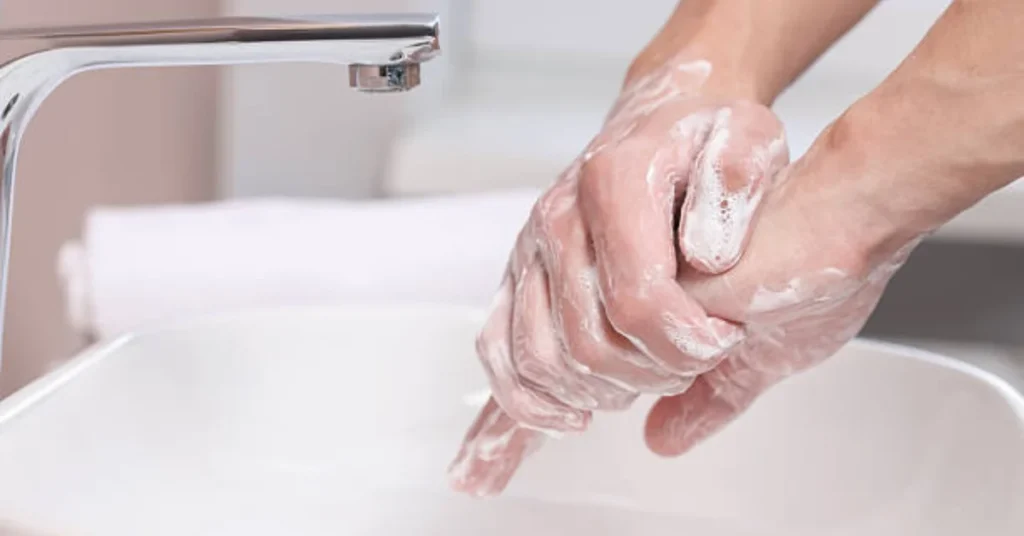
Skipping handwashing. Pink eye, particularly the viral and bacterial types, spreads easily through hand-to-eye contact. Washing hands often and avoiding touching the eyes is one of the simplest, most effective things anyone can do.
Sharing towels or pillowcases. Linens that touch an infected eye can carry the virus or bacteria to anyone else who uses them. Changing pillowcases and towels frequently, and not sharing them, cuts down transmission significantly.
Wearing contact lenses through the infection. Contacts worn during an active infection can trap bacteria or virus particles against the eye, prolonging symptoms or causing reinfection. It’s standard advice to switch back to glasses until the eye has fully cleared, then start fresh with a new pair of lenses.
Continuing to use old eye makeup. Mascara, eyeliner, and applicators used before or during an infection can harbor bacteria. Replacing them after recovery, rather than reusing the same products, prevents a second round of irritation.
What the Research Shows
Detailed analysis of conjunctivitis cases shows that most episodes, regardless of cause, are self-limiting — meaning the body clears them on its own given time and basic supportive care. Viral pink eye commonly resolves within one to two weeks, while mild bacterial cases often improve within two to five days even without antibiotics, though a full clearance can take up to two weeks. This pattern is consistent across major clinical guidance, which is part of why home-based supportive care, rather than aggressive intervention, is the standard first approach for uncomplicated cases.
What’s notable in more recent clinical commentary is a shift away from routinely prescribing antibiotic drops for every case of conjunctivitis. Evidence increasingly supports that antibiotics don’t significantly speed recovery for most bacterial cases and offer zero benefit for viral or allergic pink eye, which is why home care has become the recommended first step rather than an afterthought.
When Home Remedies Aren’t Enough
Knowing how to treat pink eye home remedy methods at home is genuinely useful, but it’s not a substitute for medical attention in every case. See a doctor promptly if any of the following apply:
- Eye pain that feels intense rather than mild irritation
- Sensitivity to light or noticeably blurred vision
- A white spot or visible cloudiness on the colored part of the eye
- Symptoms lasting beyond two weeks without improvement
- A newborn showing any signs of eye redness or discharge
- Fever, headache, or a rash accompanying the eye symptoms
Newborns in particular need same-day medical evaluation for any eye discharge or redness, since infections in infants can progress quickly and carry higher risk.
Considerations for Different Households
Parents of young children often deal with pink eye as a recurring visitor during the school year. Most schools don’t require keeping a child home unless they’re feeling generally unwell, since official health guidance in several countries no longer treats mild conjunctivitis as an automatic exclusion reason — though policies vary by school district, so checking locally is worth the five minutes it takes.
Contact lens wearers face a slightly different risk profile, since lenses can both cause irritation that mimics pink eye and worsen an actual infection if worn through it. Anyone in this group should switch to glasses at the first sign of redness and hold off on lenses until fully clear.
People with recurring seasonal allergies may mistake allergic conjunctivitis for an infection year after year. The giveaway is usually that both eyes are affected at once, the discharge is watery rather than thick, and it tends to show up alongside sneezing or a stuffy nose.
Prevention Going Forward
Reducing the chance of pink eye returning comes down to a handful of habits: regular handwashing, not touching the eyes during cold and allergy season, replacing eye makeup periodically, and cleaning contact lens cases as directed. None of this is complicated, but consistency matters more than intensity here.
As of 2026, public health messaging around conjunctivitis has leaned harder into this prevention angle, partly because outbreaks in schools and daycare settings remain one of the most common ways the infection spreads through a household.
Conclusion
Figuring out how to treat pink eye home remedy methods at home doesn’t have to be complicated. Cool compresses, artificial tears, gentle cleaning, and good hygiene cover most of what actually helps, while breast milk, tea bags, and redness-reducing drops belong on the list of things to avoid entirely. For the majority of cases, patience paired with the right basic care is enough to get through it. When pain, vision changes, or symptoms beyond two weeks show up, that’s the moment to put the home remedies aside and call a doctor instead.
Medical Disclaimer: This article is for informational purposes only and does not constitute medical advice. Pink eye can have several different causes, and home remedies that work for one type may not be appropriate for another. Always consult a qualified healthcare professional or ophthalmologist for an accurate diagnosis and treatment plan, especially if symptoms are severe, worsening, or affecting a newborn.
FAQs
How long does pink eye usually last with home treatment?
Most viral cases clear within one to two weeks, and mild bacterial cases often improve within two to five days, though full recovery can take up to two weeks even with home care.
Can I go to work or school with pink eye?
For many mild cases, especially without active discharge, staying home isn’t strictly necessary, though policies vary by workplace or school. If there’s visible discharge, it’s safer to wait until that clears.
Is pink eye contagious through the home remedy stage?
Yes — viral and bacterial conjunctivitis remain contagious until discharge clears, which is why separate towels, frequent handwashing, and avoiding contact lens sharing matter throughout the recovery period.
Should I use the same compress on both eyes?
No. If only one eye is infected, using a separate clean cloth for each eye helps prevent spreading the infection to the unaffected side.
Can adults get pink eye from their kids?
Yes, conjunctivitis spreads easily within households through hand-to-eye contact and shared linens, regardless of age.