
Your dog stopped eating breakfast, threw up twice, and now he’s lying by the back door looking miserable. Before you panic or call an emergency clinic, it helps to know what to give a dog for upset stomach home remedies that actually work for mild, everyday tummy troubles. Most cases of canine stomach upset come from something simple: a new bag of kibble, a piece of dropped sandwich, or a grass-eating binge in the yard. And most of the time, a few kitchen staples and a little patience are all a dog needs to bounce back.
That said, home care isn’t a substitute for a vet visit when things look serious. This guide walks through the remedies that hold up, the ones that don’t, and the exact moments when you should stop treating at home and pick up the phone instead.
Recognizing the Signs Before You Reach for Home Remedies
Dogs can’t tell you their stomach hurts, so you’re reading body language instead. Lip licking, drooling, a hunched posture, and a refusal to touch their bowl are the early tells. Vomiting once or twice, or a single loose stool, usually points to something mild. This is the point where home treatment makes sense.
It’s a different story if your dog is straining without producing anything, has a swollen belly, or seems weak on their feet. Those symptoms don’t belong in a home-remedy conversation at all. Anyone who has raised a dog through a rough stomach bug knows the difference between “off his food” and “something is really wrong” becomes obvious fast once you’re watching for it.
What to Give a Dog for Upset Stomach Home Remedies That Vets Actually Recommend
The most reliable answer to what to give a dog for upset stomach home remedies starts with rest for the gut, not a cabinet full of products. Veterinary hospitals commonly walk owners through the same basic sequence: withhold food briefly, keep water available, then reintroduce a bland diet in small portions.
A short fast, typically 6 to 12 hours for adult dogs, gives an inflamed stomach lining a break. Puppies, toy breeds, and dogs with existing health conditions shouldn’t fast without checking in with a vet first, since their blood sugar can drop quickly. Water stays available the entire time. Skipping food is fine. Skipping hydration is not.
The Bland Diet Method: Chicken, Rice, and Portion Guidance
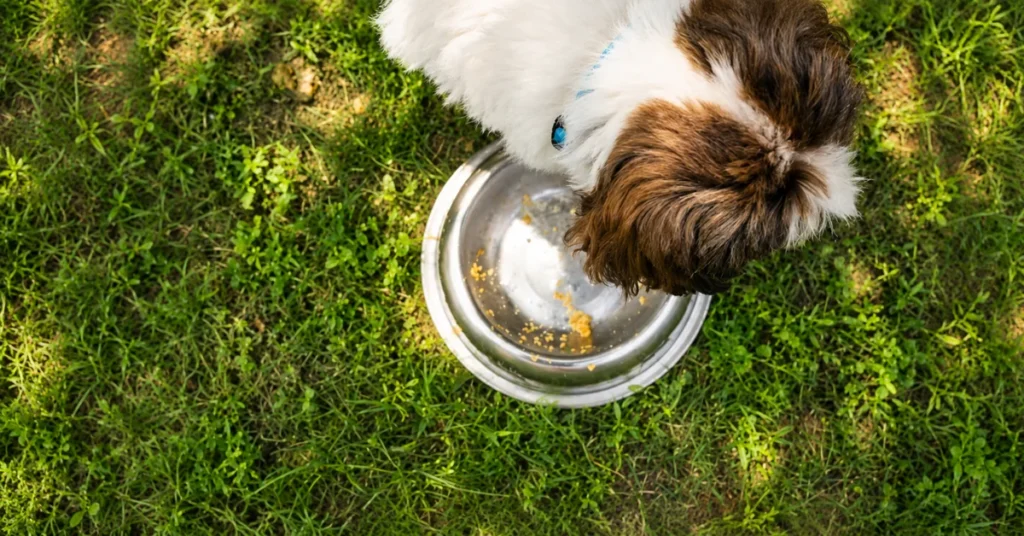
Once vomiting has settled for a few hours, plain boiled chicken and white rice remain the gold standard. Boneless, skinless chicken breast, boiled and shredded, mixed with plain rice at roughly a one-to-two ratio, is gentle enough for an irritated gut and still delivers real nutrition.
A few practical rules make this work:
- No salt, butter, oil, or seasoning of any kind
- Start with a portion about a quarter of the dog’s normal meal size
- Feed small amounts every few hours rather than one big serving
- Watch for a good reaction before slowly building back up to regular food over three to five days
Plain scrambled egg, boiled turkey, or plain white fish like cod can substitute for chicken if your dog has a poultry sensitivity. Skip anything with skin, fat trimmings, or added flavoring.
Pumpkin, Bone Broth, and Other Kitchen Staples That Soothe a Dog’s Gut
Beyond the bland diet, a handful of pantry items genuinely help. Plain canned pumpkin, never pie filling, adds soluble fiber that firms up loose stools and eases mild constipation. One to four tablespoons mixed into food, scaled to your dog’s size, is the typical amount used.
Low-sodium bone broth, made without onion or garlic, adds moisture and flavor for dogs who are turning their nose up at food. Slippery elm bark powder, mixed into a thin paste, coats the digestive tract and is one of the more established herbal options, though it’s worth running any new supplement past your vet first, especially if your dog takes other medication.
Ginger, in small amounts, is sometimes used for nausea and motion sickness, much the way it settles a queasy stomach in people. It’s not a fix for every cause of upset, but it’s a reasonable addition to the toolkit.
Hydration and Electrolytes: Keeping Your Dog From Getting Worse
Dehydration, not the vomiting or diarrhea itself, is what turns a mild stomach bug into a real problem. Check your dog’s gums; they should feel wet, not tacky or dry. Gently pinch the skin between the shoulder blades. It should snap back quickly. Slow return means it’s time to call the vet.
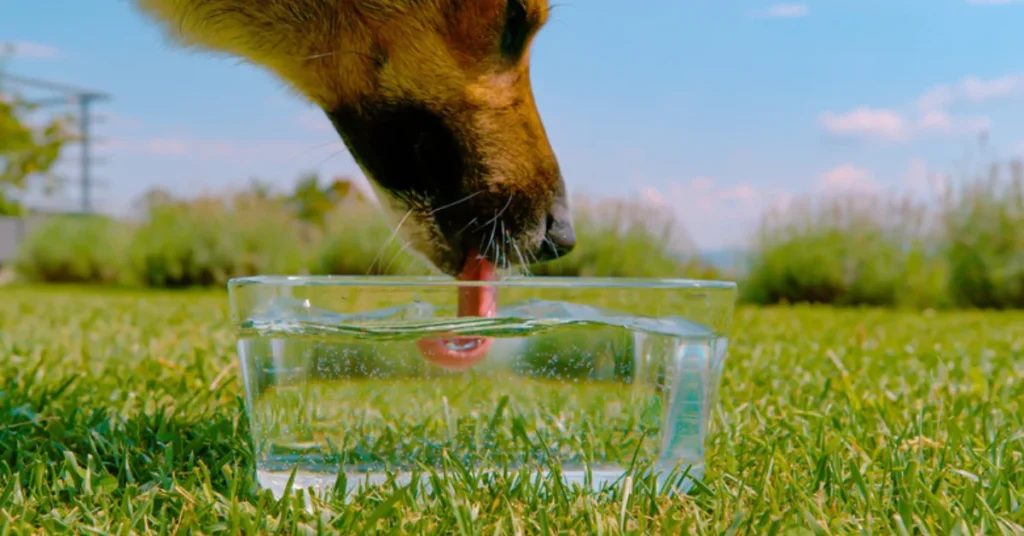
Offer small amounts of room-temperature water often rather than a full bowl all at once, which can trigger more vomiting. Pet-specific electrolyte products are formulated correctly for a dog’s needs; human sports drinks and unflavored electrolyte solutions can work in a pinch but should be diluted and used sparingly, since some contain more sugar or sodium than a dog needs.
What Not to Give: Human Medications and Foods That Backfire
This is where a lot of well-meaning owners get into trouble. Several common human medicine cabinet staples are genuinely dangerous for dogs. Ibuprofen and other NSAIDs, acetaminophen, and bismuth-based anti-diarrheal products all carry real risks, from stomach ulcers to organ damage. Anti-diarrheal medications built around loperamide can also be toxic in certain herding breeds carrying a specific gene mutation.
Fatty table scraps, processed meats, dairy, and anything containing onion, garlic, or xylitol should stay off the menu entirely, upset stomach or not. If you’re ever tempted to reach into your own medicine cabinet, call your vet’s office first. Most will do a quick phone consult, and that call costs a lot less than an emergency visit caused by the wrong medication.
What the Research Shows
Veterinary hospital data consistently points to acute gastroenteritis as one of the most common reasons dogs are brought in for vomiting and diarrhea, and most cases improve within 48 hours once dehydration is addressed and the stomach gets a chance to rest. That pattern lines up with what home-remedy guidance is built around: short-term dietary rest, rehydration, and a gradual return to normal food.
Detailed analysis of veterinary nutrition guidance also shows a consistent dosage range for pumpkin across sources, generally one to four tablespoons depending on the dog’s size, which suggests this isn’t just folk wisdom but a genuinely tested approach. Where the research gets firmer is on timing: symptoms that stretch past 24 to 48 hours are treated by veterinary professionals as a signal that something beyond simple dietary indiscretion may be going on.
When Home Remedies Aren’t Enough: Red Flags That Mean Call the Vet
Home treatment is meant for mild, single-episode upset in an otherwise healthy adult dog. It is not meant for the following, and none of these should wait:
- Blood in vomit or stool, whether bright red or dark and tarry
- Vomiting or diarrhea lasting more than 24 to 48 hours
- A bloated, hard, or visibly distended abdomen
- Repeated retching with nothing coming up
- Lethargy, collapse, or refusal to drink any water
- Known or suspected ingestion of chocolate, grapes, xylitol, or an unknown substance
A swollen abdomen paired with unproductive retching, in particular, can point to a life-threatening condition in large or deep-chested breeds and needs emergency care immediately, not a wait-and-see approach.
Special Cases: Puppies, Seniors, and Small Breeds
Not every dog fits the standard advice equally. Puppies under three months old dehydrate and drop blood sugar fast, so fasting them isn’t recommended without direct vet guidance. Toy and small-breed dogs, including Chihuahuas and Yorkshire Terriers, carry a similar risk and generally do better with small, frequent bland meals rather than a full fast.
Senior dogs, especially those managing diabetes, kidney disease, or other chronic conditions, need consistent feeding schedules, and skipping meals can complicate their existing treatment. Anyone who has cared for an older dog through a health condition knows that stomach upset in a senior deserves a lower threshold for calling the vet compared to a healthy young adult.
Final Thoughts on What to Give a Dog for Upset Stomach Home Remedies
Most stomach upset in dogs is mild, short-lived, and manageable at home with rest, hydration, and a simple bland diet. Knowing what to give a dog for upset stomach home remedies, and just as importantly what to avoid, gives you a real plan for the next time your dog turns down dinner or has a rough afternoon. But home care has limits. Blood, prolonged symptoms, or a dog that seems genuinely unwell are signals to stop guessing and get a professional opinion. When in doubt, a quick call to your vet is always the safer move.
This article is for informational purposes only and does not replace professional veterinary advice. Always consult a licensed veterinarian before starting any new treatment, supplement, or dietary change for your dog.
FAQs
How long should I withhold food from a dog with an upset stomach?
For a healthy adult dog, 6 to 12 hours is typical. Puppies, small breeds, and seniors generally shouldn’t fast without checking with a vet first.
Can I give my dog Pepto-Bismol for an upset stomach?
It’s best avoided without direct vet guidance. It contains a compound related to aspirin and carries real risks for dogs, particularly with repeated use.
Is plain yogurt good for a dog’s upset stomach?
Small amounts of plain, unsweetened yogurt with live cultures can sometimes help, but dairy upsets some dogs further, so introduce it cautiously and watch for a reaction.
How much canned pumpkin should I give my dog?
Roughly one to four tablespoons mixed into food, scaled to your dog’s size, using plain canned pumpkin only, never pie filling.
When should stomach upset in a dog be treated as an emergency?
Blood in vomit or stool, a bloated abdomen, repeated unproductive retching, collapse, or symptoms lasting more than 24 to 48 hours all warrant immediate veterinary attention.