
Cracked heels catching on your bed sheets at 2 a.m. is one of those small miseries nobody warns you about. If you’ve been searching for how to remove thick dead skin from feet home remedy style, you’ve probably already tried a pumice stone once and given up halfway through. You’re not alone — and the good news is, most of this is fixable in your own bathroom.
This isn’t a rare problem. Hard, thickened skin on the soles and heels shows up on people of every age, and podiatry services across the UK still list it as one of the most common reasons people come in for foot care advice. Before grabbing a razor blade or a “miracle” callus remover, it helps to understand what’s actually happening under your skin.
What Causes Thick Dead Skin on Feet
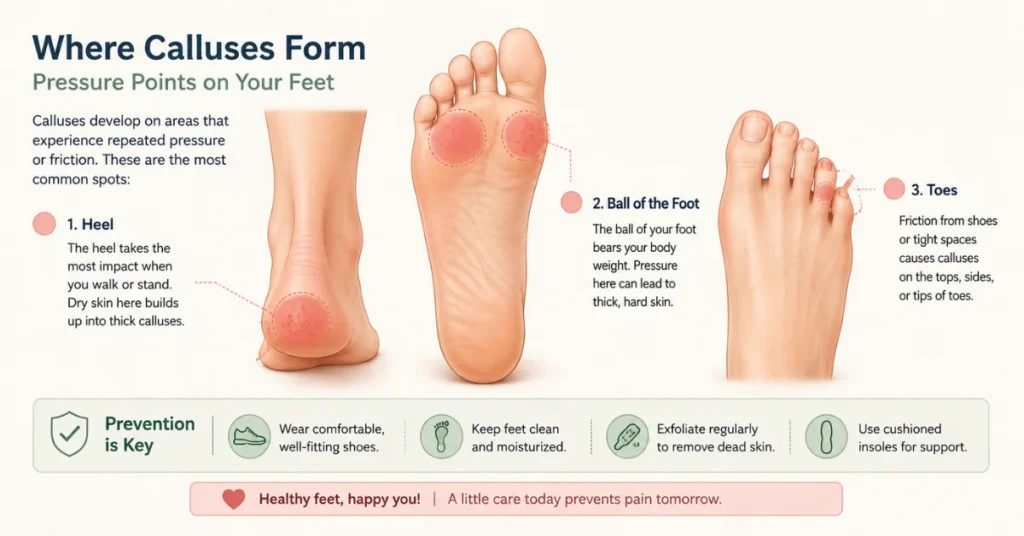
Thick skin on the feet, known medically as callus or hyperkeratosis, forms when your skin protects itself from repeated rubbing or pressure. Podiatry teams describe it plainly: thickened, hard skin builds up from pressure or friction on parts of your feet, often on the balls of the foot, around the heels, and on the toes.
Poorly fitted shoes are the biggest offender. Heavy callus is most often caused by wearing the wrong type of shoe for your foot, which is why two people with identical walking habits can end up with completely different amounts of buildup depending on what’s on their feet all day.
Barefoot walking, standing jobs, dry skin, and even a natural change in fat padding as we age all play a part. Skin specialists note that calluses are essentially the same tissue as corns, just larger and more irregularly shaped, and some degree of callus on the sole is actually normal. The goal isn’t zero callus — it’s keeping it soft, thin, and pain-free.
The Home Remedy Routine That Actually Works
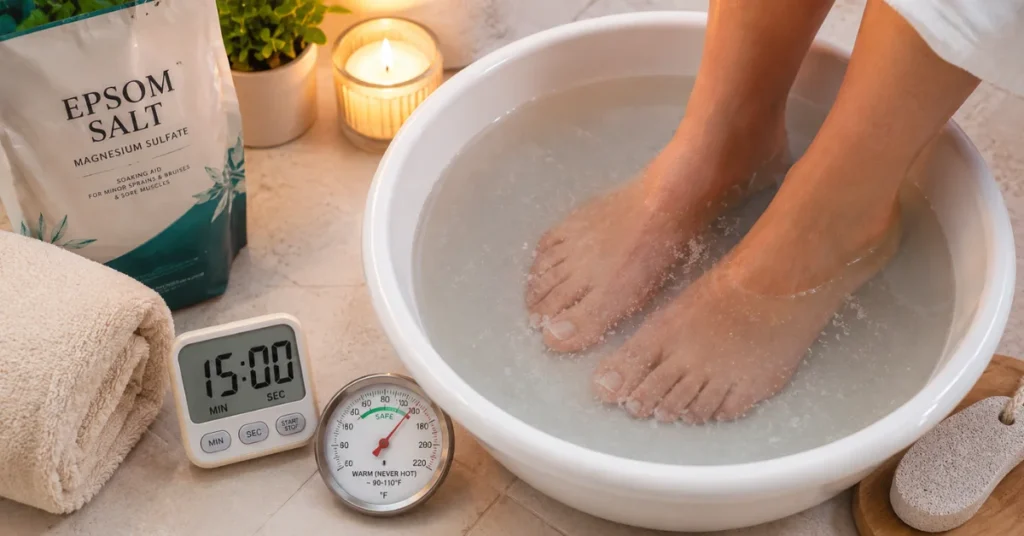
Anyone who has worked through a stubborn case of foot callus knows shortcuts rarely help. The three-step routine below is the one dermatology and podiatry sources return to again and again, and it’s the safest place to start.
Step 1 — Soak first, always. Warm (never hot) water for 10 to 20 minutes softens the outer layer so you’re not scraping at dry, brittle skin. Adding Epsom salt is a popular twist — a foot soak in warm water with a little Epsom salt added helps soften skin before exfoliation. Skip this step and you’ll just irritate healthy skin underneath.
Step 2 — File gently, in short sessions. Once skin is soft, use a pumice stone or foot file in small circular motions. Foot care leaflets are consistent on this point: gently file the area smooth with a pumice stone or foot file while the skin is dry, taking care not to file for too long. Multiple light sessions beat one aggressive scrub every time — over-filing just tells your skin to grow the callus back thicker.
Step 3 — Moisturize immediately. This is the step people skip, and it’s the one that matters most. Creams built around urea, lactic acid, or salicylic acid don’t just sit on top of skin — they help break it down chemically while hydrating it. NHS guidance points out that urea-based creams can be particularly effective at keeping foot skin soft and supple.
For overnight repair, apply a thick balm or petroleum jelly, then pull on clean cotton socks before bed. Waking up to noticeably softer heels after just one night is common with this method.
Natural Ingredients Worth Trying at Home
Beyond the core soak-file-moisturize routine, a few kitchen and bathroom staples show up repeatedly in home remedy guides:
- Oatmeal scrub — mixed with rose water or milk into a paste, left on for 20-30 minutes, then brushed off
- Sugar and oil scrub — a simple abrasive paste rubbed gently over rough patches
- Diluted apple cider vinegar soak — used for 10-20 minutes, though it should be avoided on cracked or broken skin
- Baking soda paste — mixed with water and applied to soften rough patches
- Sea salt, baby oil, and lemon juice scrub — an at-home alternative to store-bought foot scrubs, though lemon juice needs proper dilution since it can change the skin’s natural pH and cause irritation or sun sensitivity if used too strong
None of these replace medical treatment for painful corns or infected skin, but for everyday roughness, they’re genuinely useful additions to a weekly routine.
Common Mistakes That Make Dead Skin Worse
People searching for how to remove thick dead skin from feet home remedy solutions often fall into a handful of traps that quietly undo their progress.
Using razor blades or sharp tools. This one shows up in nearly every professional footcare leaflet, and for good reason. Foot services warn against attempting to use razor blades or sharp instruments since they aren’t sterile and can lead to infection.
Reaching for acid-based corn plasters. These over-the-counter pads seem convenient, but Mayo Clinic’s own foot care columns caution that self-treating with these products isn’t advisable for anyone with an underlying circulation problem, and even without one, they can burn healthy skin around the callus.
Skipping moisturizer after filing. Filed skin without cream dries out fast, cracks, and rebuilds thicker as a defense response — the opposite of what you wanted.
Filing wet skin instead of soaked-then-dried skin. Skin that’s still dripping wet files unevenly and is more prone to nicks.
Who Needs to Be Extra Careful
This is the section that separates a helpful home remedy article from an irresponsible one. Anyone who has spent time in a podiatry clinic knows the same caution comes up constantly around diabetes and circulation problems.
Mayo Clinic is direct about it: extra care and caution is warranted for anyone at higher risk of foot sores and complications because of diabetes or another condition that causes poor circulation, since even minor skin injuries can lead to sores that are difficult to heal. Reduced sensation means a small nick from filing might go unnoticed until it’s already infected.
If you have diabetes, nerve damage, poor circulation, or a compromised immune system, talk to a podiatrist before starting any home filing routine. This isn’t overcaution — it’s the single most repeated warning across NHS and Mayo Clinic foot care resources.
What the Research Shows
Detailed analysis of footcare complications shows a clear pattern: most thickened skin on the feet is manageable, but people with diabetes carry meaningfully higher risk when self-treating. Clinical research into diabetic foot complications consistently finds that skin injuries in this group heal slower and progress to infection more easily than in the general population, which is exactly why professional guidance singles this group out for extra caution rather than treating it as a footnote.
For the general population, though, findings are more reassuring. Podiatry advice sheets frame most corns and calluses as manageable at home, noting that home remedies can help control or remove corns effectively in most cases, with professional treatment reserved for cases involving pain, infection, or an underlying foot deformity.
Prevention: Stopping the Buildup Before It Starts
Treating dead skin is only half the job — stopping it from coming back matters just as much. Podiatry sources are blunt about the fix: wearing foot-shaped shoes with a low, broad heel, enough room to wiggle your toes, and about half an inch between your longest toe and the end of the shoe prevents most pressure-related callus from forming in the first place.
A few habits worth building into your week:
- Rotate two or three pairs of shoes instead of wearing the same ones daily
- Wear moisture-wicking cotton or wool-mix socks
- Moisturize feet every night, not just when they feel rough
- File lightly once a week rather than waiting for buildup to get thick
For Different Readers: A Few Extra Notes
If you’re active or on your feet all day (nurses, retail workers, runners), buildup happens faster because of repeated pressure. A daily light moisturizing routine matters more for you than for someone who’s mostly seated.
If you’re older, thinner fat padding on the sole means calluses can feel more uncomfortable even at a smaller size — gentler filing and richer creams help.
If you’re pregnant, stick to mechanical exfoliation (pumice stone, mild scrub) and skip strong chemical exfoliants until you’ve checked with your doctor, since skin sensitivity shifts during pregnancy.
When to See a Podiatrist Instead
Home care has its limits. See a foot care professional if you notice any of the following:
- Redness, swelling, warmth, or pus around the thickened area
- Bleeding when you file, or skin that won’t stop cracking
- A corn with a hard central core that’s painful when pressed
- Any of the above alongside diabetes or poor circulation
As one NHS-linked foot health service puts it plainly, if the area becomes red, swollen, or painful, or you notice pus, these could be signs of infection and warrant medical advice rather than more home treatment.
Conclusion
Learning how to remove thick dead skin from feet home remedy style really comes down to three habits done consistently: soak to soften, file lightly, and moisturize immediately afterward. Add better-fitting shoes and a weekly routine, and most people see real improvement within a few weeks. Just remember — if you have diabetes, poor circulation, or a wound that won’t heal, this is one home project worth handing to a professional instead.
This article is for informational purposes only. Always consult a qualified professional for foot pain, wounds, or if you have diabetes.
FAQs
How often should I exfoliate thick skin on my feet?
Once or twice a week is usually enough. Daily aggressive filing tends to backfire and make skin thicker over time.
Can I use a foot file instead of a pumice stone?
Yes, though foot files are more abrasive and work best on very calloused heels rather than softer skin. Use them only after soaking.
Why does my dead skin come back so fast?
Usually it’s shoes. If the same pressure point keeps rubbing, the skin keeps rebuilding as protection — better-fitted footwear breaks the cycle.
Is it safe to cut off thick dead skin myself?
No. Cutting with blades or scissors carries a real infection risk and is one of the most consistently discouraged practices in professional foot care guidance.
Should someone with diabetes try these home remedies?
Only after checking with a doctor or podiatrist first, since reduced sensation and circulation issues raise the risk of small injuries turning serious.