
Your dog just did it again. You turned your back for ten seconds in the yard, and now there’s a very unpleasant smell coming from somewhere near his mouth. If you’re searching for how to stop dog from eating poop home remedies, you’re dealing with one of the most common and most misunderstood habits in dog ownership. It’s called coprophagia, and it’s a lot more normal than most owners realize.
This guide walks through why dogs do it, which home fixes actually hold up, and when the behavior signals something a vet needs to check. No judgment here. Just real answers.
Why Dogs Eat Poop in the First Place
Before trying any fix, it helps to understand what’s driving the behavior. Coprophagia isn’t a sign of a “bad” dog or bad ownership. Researchers at the University of California, Davis ran two large surveys on this exact behavior and found it’s far more widespread than owners assume.
Their data showed that 16% of dogs qualify as frequent stool eaters, meaning they’ve been caught doing it at least five times. Nearly a quarter of dogs have been seen doing it at least once. The study also found something surprising: diet had almost no effect on whether a dog developed the habit, which rules out the popular theory that it’s always about nutrition.
Several factors tend to show up again and again:
- Ancestral instinct. Mother dogs in the wild often clean waste from the den to protect puppies from parasites, and some experts believe this behavior lingers in domestic dogs.
- Boredom or anxiety. Dogs left alone for long stretches sometimes turn to poop eating as a stress outlet.
- Attention seeking. If a dog learns that eating poop gets an instant, dramatic reaction from you, some will repeat it just to get that reaction again.
- Multi-dog households. Dogs living with other dogs show the behavior more often than dogs in single-pet homes.
- Medical triggers. Conditions like exocrine pancreatic insufficiency, malabsorption disorders, parasites, diabetes, or thyroid issues can all increase appetite or change how a dog processes nutrients.
Anyone who has managed a multi-dog household knows the habit tends to spread. One dog starts, and the others follow out of simple curiosity or competition over resources.
How to Stop Dog From Eating Poop Home Remedies That Actually Work
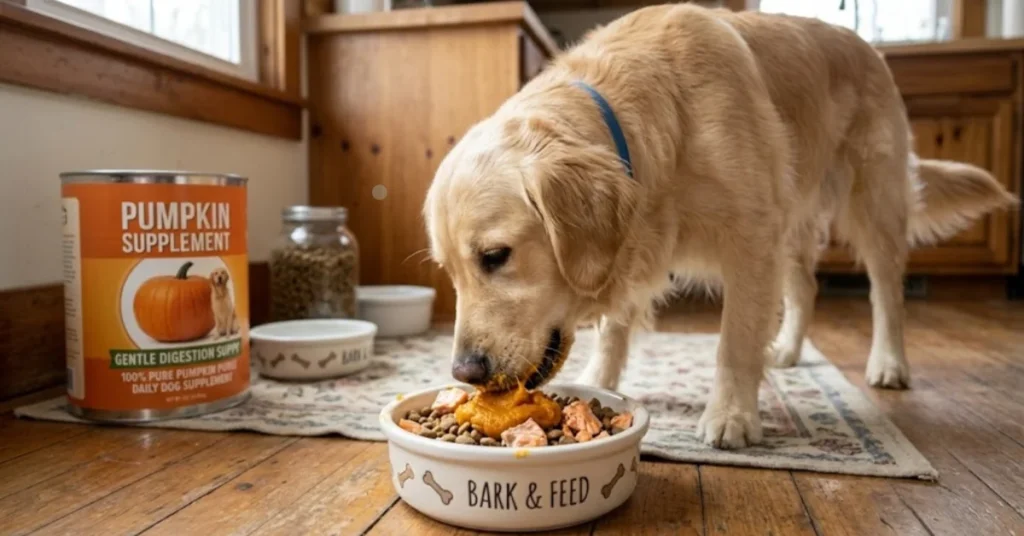
Once medical causes are ruled out, several home remedies can genuinely reduce or stop the behavior. None of these are instant magic, but consistency tends to pay off within a few weeks.
Pumpkin puree. Plain, unsweetened pumpkin (never pie filling) adds fiber that firms up stool and can make it less appealing to eat. A tablespoon mixed into food once a day is a typical starting point, though portions should scale to your dog’s size.
Apple cider vinegar. A small amount added to food or water changes the smell and taste of feces just enough to turn some dogs off the habit. It also supports healthy gut pH in modest amounts.
Meat tenderizer or papaya-based enzymes. These products, when free of onion or garlic, make waste taste unpleasant to a dog’s palate. Vets have recommended this approach for years as a low-risk first attempt.
Brewer’s yeast supplements. Added to food, this can create a bitter aftertaste in stool that discourages sampling.
Consistent yard cleanup. This sounds almost too simple, but removing temptation works. A yard scooped once a week is essentially a buffet left out overnight. Daily cleanup, especially picking up right after your dog goes, removes the opportunity before curiosity kicks in.
Training “leave it.” Teaching a rock-solid “leave it” or “drop it” command gives you a tool to interrupt the behavior in real time, on walks or in the yard.
More mental stimulation. Puzzle toys, scent games, and longer walks reduce the boredom-related version of this habit. A tired dog with an occupied mind has less motivation to go scavenging.
Better hydration. Dogs eating mostly dry kibble sometimes seek out moisture wherever they can find it. Fresh water available at all times, and wet food mixed in occasionally, can reduce that urge.
What the Research Shows
The UC Davis research team, led by veterinary behaviorist Benjamin Hart, also tested how well common commercial deterrent products actually worked. The results were humbling. Out of eleven products tested by real dog owners, only one scored above a 2% effectiveness rate. Behavior training methods didn’t fare much better, with “leave it” scoring the highest success rate at just 4%.
That doesn’t mean the home remedies above are pointless. It means expectations should stay realistic. This is a stubborn behavior rooted in instinct, and no single fix works for every dog. Combining several approaches — cleanup, diet tweaks, enrichment, and training — tends to outperform any one method used alone.
When a Vet Visit Comes First
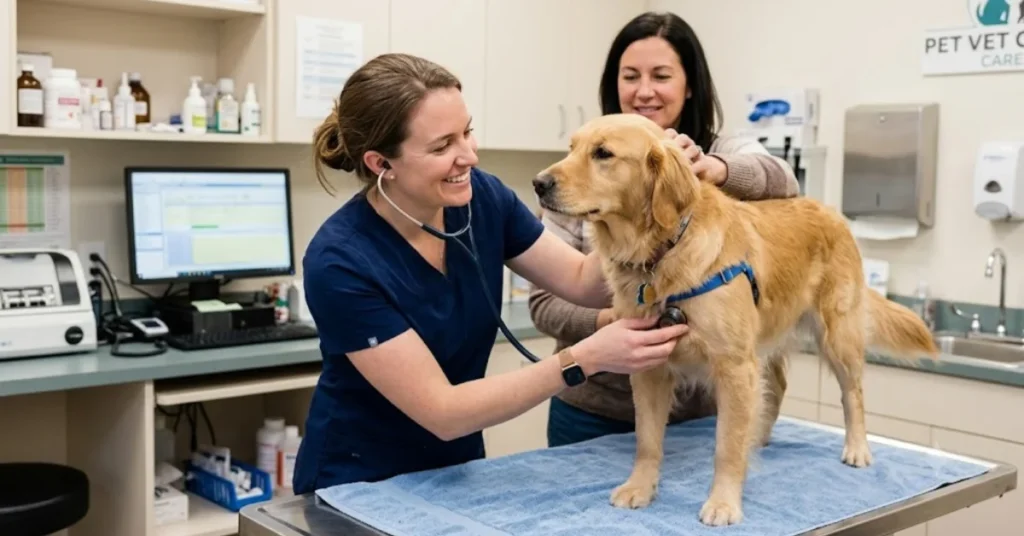
Anyone searching for how to stop dog from eating poop home remedies should treat a veterinary check as step one, not step ten. This single step separates owners who see lasting results from owners stuck repeating the same failed attempts for months. This matters even more when the behavior appears suddenly in an adult dog that never did it before.
Watch for these warning signs alongside the poop eating:
- Sudden weight loss
- Increased or decreased appetite
- Diarrhea, vomiting, or greasy stools
- Excessive thirst or urination
- Lethargy or behavior changes
Any of these paired with coprophagia could point to something like diabetes, thyroid disease, or a pancreatic enzyme deficiency, none of which will respond to pumpkin puree or vinegar. A quick fecal test and bloodwork can rule these out fast and save weeks of guessing.
Common Mistakes That Slow Down Progress
Even owners who follow every tip on how to stop dog from eating poop home remedies can stall out because of a few avoidable missteps.
Inconsistent cleanup. Trying supplements while still leaving days-old waste in the yard undercuts the whole plan. Anyone who has actually solved this problem knows cleanup has to happen daily, not weekly.
Giving up too early. Behavior change in dogs rarely happens in a week. Owners who quit after ten days often miss the results that show up by week three or four.
Using only one method. Relying on a single deterrent, like vinegar alone, tends to produce weaker results than stacking two or three approaches together with training and enrichment.
Skipping the vet step. Anyone trying how to stop dog from eating poop home remedies without ruling out a medical cause first is working with one hand tied behind their back. Testing pumpkin puree for a month while an underlying thyroid issue goes unchecked wastes time your dog doesn’t need to lose.
Punishing after the fact. Scolding a dog once the act is already done teaches nothing useful and can create more anxiety around elimination, which sometimes makes the habit worse.
How to Stop Dog From Eating Poop Home Remedies for Every Life Stage
Not every dog needs the same plan, and matching the fix to the dog’s age and household setup speeds things up considerably.
First-time or new dog owners. Start simple: daily cleanup, a “leave it” command, and one dietary addition like pumpkin. Add more only if progress stalls after three weeks.
Owners of multiple dogs. Supervised outdoor time is non-negotiable here. Dogs feed off each other’s habits, so separating dogs during elimination breaks the copycat pattern quickly.
Apartment or small-yard households. Limited outdoor space means less opportunity for scavenging, but it also means faster cleanup matters even more since dogs in tight quarters encounter waste more often.
Owners of working or high-energy breeds. Breeds like terriers and hounds show up more often in behavioral surveys tied to this habit, so extra physical and mental exercise tends to make a bigger difference for this group specifically.
Different Situations Call for Different Fixes
Puppies. Mouthing and exploring the world, including tasting stool, is common and often fades with age and consistent training. Patience combined with quick cleanup usually resolves it without drama.
Senior dogs. A sudden new habit in an older dog deserves quicker medical attention, since age-related conditions like cognitive changes or organ decline can trigger the behavior.
Multi-dog households. Supervision during outdoor time and immediate cleanup after each dog goes reduces the “follow the leader” pattern that shows up in homes with more than one pet.
Anxious or under-stimulated dogs. These cases respond best to enrichment, structured exercise, and sometimes separation-anxiety support rather than dietary tweaks alone.
Conclusion
Coprophagia is unpleasant, but it’s rarely a sign that something is deeply wrong with your dog. Anyone researching how to stop dog from eating poop home remedies should start with a vet visit to rule out medical causes, then layer in practical fixes like pumpkin puree, apple cider vinegar, enzyme supplements, and consistent yard cleanup. Add mental stimulation and solid training on top, and most dogs get noticeably better within a few weeks. Progress here tends to be gradual, not overnight, so stick with a combined approach rather than expecting one product to solve it alone.
FAQs
Is it dangerous if my dog eats poop?
It can carry risks like parasites or bacterial infection, especially if the stool belongs to another animal. It’s worth mentioning to your vet at your next visit even if your dog seems otherwise healthy.
Do puppies grow out of eating poop?
Many do, especially with consistent cleanup and training. If the habit continues past a year old, a vet check is a reasonable next step.
Will changing my dog’s food stop the behavior?
Sometimes, especially if a nutritional gap is involved, but the UC Davis research found diet alone rarely explains the habit. Treat food changes as one piece of a larger plan.
How long do home remedies take to work?
Most owners notice a partial change within two to four weeks of consistent use. Full resolution can take longer and may require combining several methods.
Should I punish my dog for eating poop?
No. Punishment often backfires, since some dogs learn to eat the evidence faster to avoid a reaction, which can make the habit worse rather than better.