
Chicken tenderloins dry out faster than almost any other cut in the kitchen. That thin strip of meat tucked under the breast cooks quickly, and a couple of extra minutes on the heat is the difference between tender and rubbery. If you want to know how to cook chicken tenderloins without turning them into shoe leather, the fix comes down to heat control, timing, and knowing exactly when to pull them off.
This guide walks through four reliable methods — stovetop, oven, air fryer, and grill — along with the internal temperature you’re actually aiming for and a few mistakes worth skipping.
What Makes Chicken Tenderloins Different
Tenderloins aren’t just small chicken breasts. They’re the strip of muscle that runs along the underside of the breast, and they contain a tough white tendon that needs to come out before cooking. Leave it in and you’ll get a chewy strand that ruins an otherwise good bite.
Because tenderloins are thinner and more uniform than a full breast, they cook in roughly half the time. That speed is a selling point for a weeknight dinner, but it’s also why they’re so easy to overcook. There’s very little margin between “just done” and “dry.”
Prep Before You Cook
A few minutes of prep changes the outcome more than the cooking method does.
- Remove the tendon. Grip the white strip at one end with a paper towel and pull it out with a knife scraping against it, or just trim it off with kitchen shears.
- Pat the meat dry. Moisture on the surface stops browning and can cause steaming instead of searing.
- Season generously. Salt, pepper, garlic powder, and paprika are a solid base. Salting 15–20 minutes ahead helps the seasoning penetrate rather than sitting on the surface.
- Pound uneven pieces. Tenderloins vary in thickness within the same pack. Flattening the thicker end to match the rest means everything finishes cooking at the same time.
How to Cook Chicken Tenderloins on the Stovetop
Pan-searing is the fastest route to a good result, and it’s the method most home cooks reach for first.
Heat a tablespoon of oil in a skillet over medium-high heat until it shimmers. Lay the tenderloins in a single layer, leaving space between them so they sear instead of steam. Cook for about three to four minutes per side, depending on thickness, until the outside is golden and the center reaches a safe internal temperature.
Anyone who has rushed this step knows the trap: crank the heat too high and the outside burns before the inside catches up. Medium-high, not high, is the setting that gets an even color without guessing.
Let the tenderloins rest for two to three minutes off the heat before cutting. The residual heat finishes the cooking and the juices redistribute instead of running out onto the cutting board.
How to Cook Chicken Tenderloins in the Oven
Baking is the hands-off option, useful when you’re cooking a larger batch or want to prep something else at the same time.
Preheat the oven to 400°F. Arrange the tenderloins on a lined baking sheet, brushed with oil and seasoned. Bake for 15–18 minutes, flipping halfway through so both sides pick up color.
Because ovens vary and tenderloins aren’t perfectly uniform, checking with a meat thermometer at the thickest piece is far more reliable than watching the clock. Pull them once the center hits 165°F, since carryover heat will nudge the temperature up a few more degrees while they rest.
How to Cook Chicken Tenderloins in an Air Fryer
The air fryer has become the go-to for a lot of home cooks chasing a crispy exterior without deep frying, and tenderloins are a natural fit for it.
Set the air fryer to 380°F. Arrange tenderloins in a single layer, without stacking, and cook for 8–10 minutes, flipping once at the halfway point. A light coating of oil helps the surface crisp rather than just dry out.
The compact heating chamber cooks faster and more evenly than a full-size oven, so check the internal temperature a minute or two before the suggested time the first time you try it. Every air fryer model runs slightly differently.
How to Cook Chicken Tenderloins on the Grill
Grilling adds char and smoke that the other methods can’t replicate, and it works well for feeding a crowd.
Preheat the grill to medium-high and oil the grates to stop sticking. Grill the tenderloins for three to four minutes per side, closing the lid between flips to hold in heat. Because they’re thin, they cook fast on direct heat, so stand nearby rather than walking away.
Anyone who has grilled chicken breasts and lost track of time understands how quickly a five-minute distraction turns into overcooked meat. Tenderloins punish that inattention even faster.
The Internal Temperature That Matters
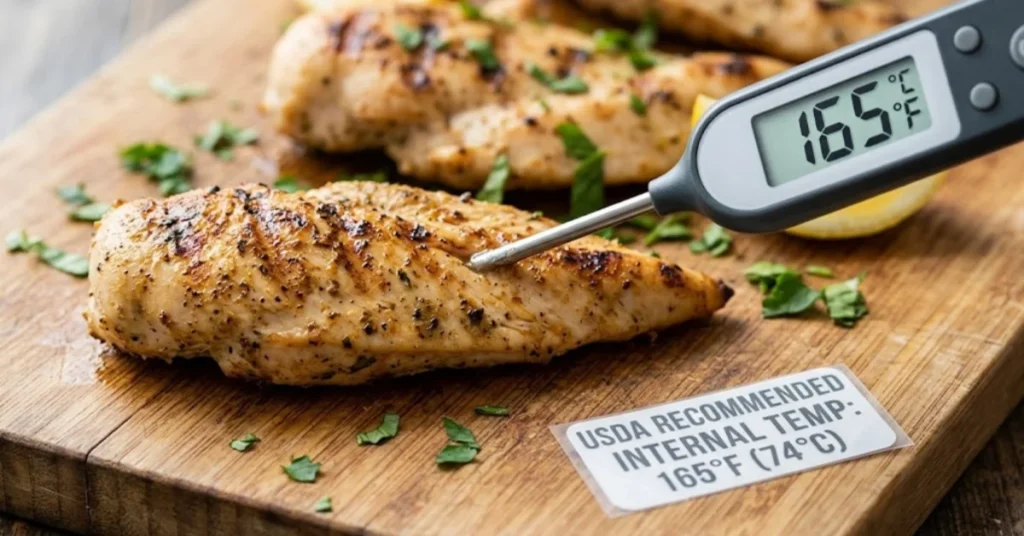
Regardless of method, chicken tenderloins are safe to eat once they reach an internal temperature of 165°F at the thickest point. Color is not a reliable indicator — chicken can look done on the outside and still be underdone in the center, or look slightly pink even when it’s fully cooked through.
An instant-read thermometer removes the guesswork entirely. Insert it into the center of the thickest tenderloin, and once it reads 165°F, the meat is done. If you’re cooking a mixed batch of thick and thin pieces, check several of them individually since they won’t finish at the same rate.
What the Research Shows
Home cooking surveys and culinary science writing consistently point to the same conclusion: overcooking, not undercooking, is the more common mistake with lean cuts like tenderloins. Once internal temperature climbs much past the 165°F safety mark, moisture loss accelerates and the texture turns stringy. Food scientists who study protein denaturation note that lean white meat tightens and expels water rapidly once it crosses roughly 160–165°F, which is why pulling the meat right at that mark, rather than well above it, produces a noticeably juicier result.
Common Mistakes to Avoid
- Cooking straight from the fridge. Cold meat hitting a hot pan cooks unevenly. Let tenderloins sit at room temperature for 10–15 minutes first.
- Overcrowding the pan. Too many pieces at once drops the pan’s temperature and causes steaming instead of searing.
- Skipping the rest. Cutting immediately releases the juices onto the plate instead of back into the meat.
- Relying on color alone. Use a thermometer. It’s the only method that actually confirms doneness.
Flavor Variations Worth Trying
Once the base technique is solid, tenderloins take well to almost any marinade or spice blend. A lemon-garlic-herb marinade for 30 minutes brightens the flavor without needing much cook time adjustment. A dry rub of smoked paprika, cumin, and brown sugar works particularly well on the grill, where the sugar caramelizes into a light crust. For an air fryer batch, a light buttermilk soak beforehand keeps the meat tender even if the timing runs a minute long.
Conclusion
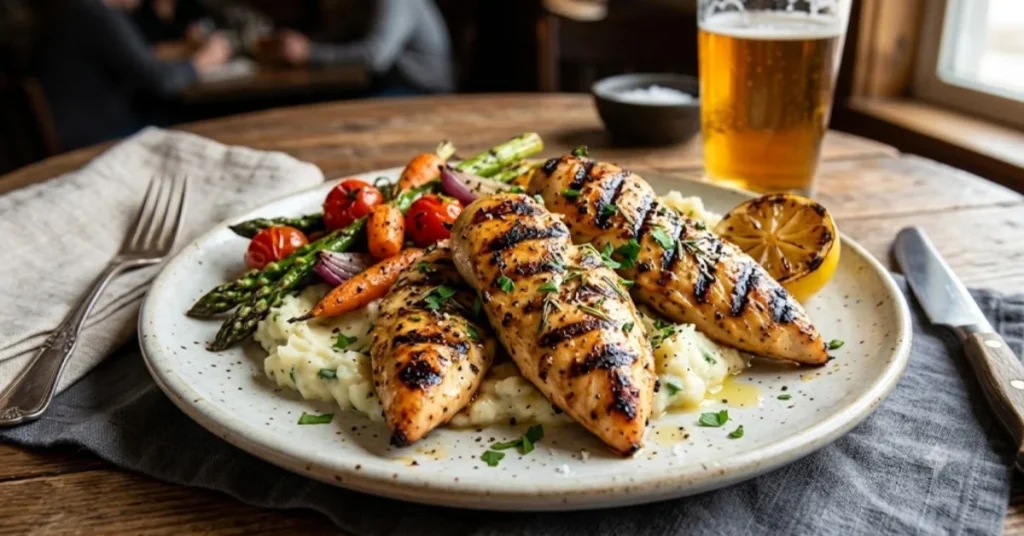
Knowing how to cook chicken tenderloins well isn’t complicated, but it does depend on paying attention to a cut that cooks faster than most people expect. Whether you’re searing them in a pan, roasting them in the oven, crisping them in an air fryer, or grilling them for a summer dinner in 2026, the same rule holds: watch the internal temperature, not the clock, and pull the meat at 165°F. That’s the difference between tenderloins that live up to their name and ones that end up tough.
This article is for informational purposes only. Always follow official food safety guidance when handling and cooking raw poultry.
FAQs
How long does it take to cook chicken tenderloins?
Most methods take between 8 and 18 minutes, depending on the cooking technique and thickness of the pieces. Pan-searing is fastest; oven baking takes longest.
Can chicken tenderloins be slightly pink and still be safe?
Yes, as long as the internal temperature has reached 165°F. Color can be misleading, so a thermometer is the only accurate way to check.
Should I marinate chicken tenderloins before cooking?
It’s optional but helpful. Even a 20–30 minute marinade adds flavor and can help keep the lean meat moist during cooking.
What’s the best way to reheat leftover chicken tenderloins?
A low oven, around 300°F, for 8–10 minutes keeps them from drying out. Microwaving works in a pinch but tends to toughen the texture.
Is it better to cook chicken tenderloins from frozen?
It’s not recommended. Thaw them fully in the refrigerator first so they cook evenly and reach a safe temperature throughout.