
A pinch of salt has been the default answer to bland food for generations, but plenty of home cooks are now asking how to cook without salt recipes that still taste like something worth eating. Maybe a doctor asked for it. Maybe it’s just curiosity about what food tastes like underneath all that sodium. Either way, the good news is simple: flavor doesn’t come from a shaker. It comes from technique.
This guide walks through why people cut salt, what actually replaces it in a pan, and a set of real recipes you can cook tonight without reaching for the salt box even once.
Why People Search for How to Cook Without Salt Recipes
Most people don’t wake up one day and decide salt is the enemy. Usually it’s a blood pressure reading, a family history of heart disease, or a partner’s new dietary restriction that starts the search.
Global health guidance points to a daily sodium limit of roughly 2,000 milligrams for adults, which works out to about one teaspoon of table salt. The average adult worldwide eats more than double that amount. That gap explains why so many people go looking for how to cook without salt recipes rather than just eating less at the table.
It isn’t only about heart health, either. Some people simply prefer tasting the actual ingredient in front of them instead of a uniform salty coating over everything.
What the Research Shows
Detailed analysis of global sodium intake data reveals a pattern that repeats across nearly every country studied: people consume far more salt than recommended, and most of it doesn’t come from the shaker at all. Roughly three-quarters of daily sodium intake comes from processed and packaged foods, not from what’s added during home cooking.
That single fact changes the whole approach to low-sodium cooking. Skipping the salt in a homemade recipe already puts a cook ahead of most packaged alternatives on the shelf. Researchers have also connected sodium reduction efforts to lower rates of high blood pressure across studied populations, which is part of why national health agencies keep pushing reformulation and public awareness campaigns.
None of this means salt is dangerous in small amounts for every person. It means the default recipe habits many kitchens run on were built around a lot more sodium than the body actually needs.
Herbs, Spices, and Acids: The Real Salt Replacements
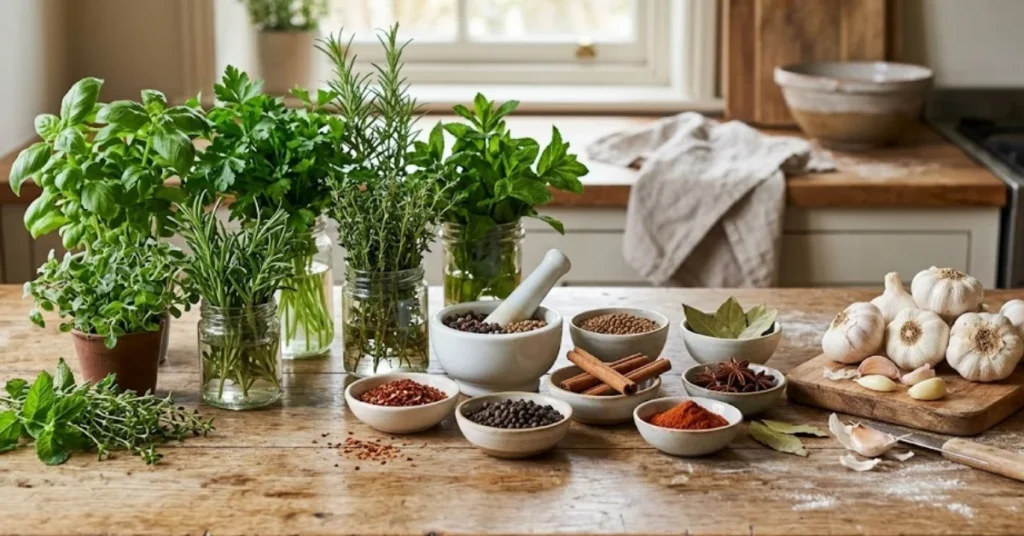
Anyone who has spent real time cooking without salt learns fast that one ingredient rarely does the job alone. Flavor without sodium comes from layering.
Fresh herbs (basil, parsley, dill, cilantro, thyme) add brightness that dried versions can’t fully match. Add them near the end of cooking so the flavor doesn’t fade.
Warm spices like cumin, smoked paprika, and black pepper give food the kind of depth that used to come from salt. Toasting whole spices in a dry pan before grinding them wakes up oils that make a noticeable difference.
Acids are the most underrated tool in the kitchen. A squeeze of lemon, a splash of vinegar, or a spoon of tomato paste tricks the tongue into perceiving more intensity, which is part of why so many low-sodium recipes lean on citrus.
Aromatics such as garlic, onion, ginger, and chili do heavy lifting too. Sautéing them properly, rather than just tossing them in raw, builds a base flavor that carries the whole dish.
Combined, these four categories cover almost every gap that salt used to fill. That’s the real secret behind how to cook without salt recipes that people actually finish eating instead of pushing around the plate.
Cooking Techniques That Build Flavor Without Salt
Ingredients matter, but technique matters just as much. A few habits shift the flavor profile of a dish without any sodium involved.
- Roast instead of boil. Roasting concentrates natural sugars and deepens flavor through caramelization. Boiled vegetables lose flavor into the water; roasted ones intensify it.
- Deglaze the pan. After searing meat or vegetables, add a splash of broth, wine, or vinegar and scrape up the browned bits stuck to the pan. That fond carries more flavor than most people expect.
- Toast your spices. A dry pan over medium heat for 60-90 seconds pulls more aroma out of cumin, coriander, and fennel seeds than adding them raw ever will.
- Reduce your liquids. Simmering a sauce down concentrates every flavor already in the pot, sodium or not.
- Char something. A little blackened edge on onions, peppers, or corn adds a smoky note that mimics the savory punch salt usually provides.
Anyone who has managed a kitchen on a low-sodium diet for more than a few weeks knows these habits become automatic fast. The learning curve is short. The payoff shows up in every meal after.
Simple How to Cook Without Salt Recipes to Try This Week
Here are five real, testable dishes built around the techniques above. None of them ask you to miss anything.
1. Lemon-Garlic Roasted Chicken Rub chicken thighs with crushed garlic, lemon zest, smoked paprika, and black pepper. Roast at 425°F until the skin crisps. Finish with fresh lemon juice right before serving.
2. Herb-Crusted Salmon Press a mix of chopped parsley, dill, and lemon zest onto the top of the fillet before baking. The herb crust does what a salt rub used to do.
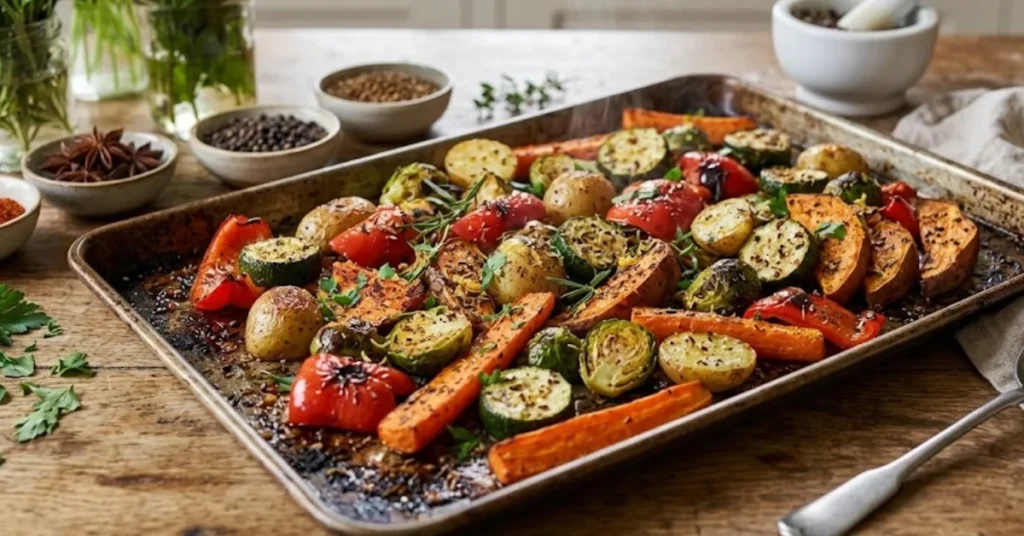
3. Spiced Roasted Vegetables Toss carrots, cauliflower, and sweet potato in olive oil, cumin, chili powder, and a splash of vinegar before roasting. The char on the edges carries most of the flavor.
4. No-Salt Tomato Sauce Sauté onion and garlic until deeply golden, add crushed tomatoes, red pepper flakes, and fresh basil, then simmer until reduced by a third. The reduction alone adds noticeable depth.
5. Ginger-Scallion Stir-Fry Fresh ginger, scallion, garlic, and a splash of rice vinegar over high heat build a fast, punchy sauce that doesn’t need soy sauce or salt to feel complete.
These five dishes cover roasting, searing, and stir-frying, so the techniques carry over to almost any other recipe in a normal week.
Common Mistakes When Cooking Without Salt
A few habits quietly sabotage low-sodium meals even when the cook is trying hard.
Relying only on dried herbs is one. Dried herbs work, but they carry less punch than fresh ones and need to go in earlier during cooking, not at the end.
Skipping acid is another. Cooks who cut salt but forget lemon juice, vinegar, or wine often end up with food that tastes flat no matter how many other spices go in.
Buying “reduced sodium” packaged sauces and stocks without checking labels is a common trap too. Some of these products still carry more sodium than a cook expects, since the reduction is relative to a very high original number.
And underseasoning with pepper, chili, or acid out of habit, treating every seasoning like it’s salt, leaves food underwhelming even when the technique is right.
Who Benefits Most From These Techniques
People managing blood pressure are the most obvious group, but they aren’t the only ones. Home cooks feeding a family member with kidney concerns, athletes watching fluid retention, and people who simply prefer tasting ingredients directly all land here for the same reason.
Beginners tend to need the most structure at first: measured spice blends, written recipes, and a short adjustment period before dishes start to taste normal again. Experienced cooks usually adapt faster because they already understand how heat, acid, and fat interact.
This article is for informational purposes only. Always consult a qualified healthcare professional before making major dietary changes, especially if a doctor has already prescribed a specific sodium limit.
Conclusion
Learning how to cook without salt recipes isn’t about losing flavor. It’s about building it from ingredients that were doing quieter work the whole time: herbs, spices, acid, and technique. Give the taste buds two to three weeks to adjust, and most people stop missing the shaker entirely. The five recipes above are a starting point, not a ceiling. Once the core techniques click, they apply to almost anything already in the fridge.
FAQs
Is it actually possible to cook flavorful food without any salt?
Yes. Herbs, spices, citrus, vinegar, and roasting or searing techniques replace most of what salt used to provide. It takes a short adjustment period, but the results hold up.
How long does it take to get used to less salty food?
Most people notice their taste buds adjusting within two to three weeks of consistent low-sodium cooking.
What’s the best salt substitute for cooking?
There isn’t one single substitute. A combination of fresh herbs, warm spices, garlic, and an acid like lemon or vinegar covers most of what salt does on its own.
Are salt substitute products like potassium chloride blends safe?
They can help some people, but they aren’t recommended for everyone, including those with kidney conditions or people who are pregnant. A doctor or dietitian should weigh in before switching.
Do canned and packaged foods count toward sodium intake even if they don’t taste salty?
Yes. A large share of daily sodium intake comes from processed and packaged foods rather than salt added during home cooking, which is why fresh, homemade meals make such a noticeable difference.