
You’re standing over the stove with a fillet of salmon, and the question hits you. Can 9 month old eat salmon, or is this one of those foods you’re supposed to wait on? It’s a fair worry. Fish sits on the list of common childhood allergens, and nobody wants to guess when the stakes involve a baby’s first bite of seafood.
Here’s the short version. Most nine-month-olds who are already eating solids can safely eat well-cooked salmon, and pediatric feeding guidance actually encourages introducing it earlier rather than later. But “safely” comes with real conditions around preparation, portion size, and watching for reactions, and that’s what actually matters once you get past the yes-or-no answer.
Can 9 Month Old Eat Salmon Safely?
Salmon isn’t off-limits for babies this age. Pediatric feeding programs in the UK and US both list fish, including salmon, as suitable from around six months, right alongside meat, eggs, and pulses. By nine months, most babies are past the earliest weaning stage and can handle a wider variety of textures, so salmon tends to fit naturally into the routine.
What makes salmon a reasonable choice isn’t just timing. It sits toward the low end for mercury compared to larger predatory fish like swordfish or shark, which are the ones parents genuinely need to avoid. Salmon also breaks apart easily once cooked, which matters a lot when you’re dealing with a baby who’s still building chewing skills.
None of that removes the need for care. Fish is one of the recognized “big” allergens, so the first few times you give it, treat it the way you’d treat any new allergen. Small amount, watch closely, and don’t pair it with other brand-new foods on the same day. That way, if a reaction shows up, you know exactly what caused it. When parents ask can 9 month old eat salmon safely at this stage, the honest answer is yes, with that one caveat attached.
How to Prepare Salmon for a 9-Month-Old
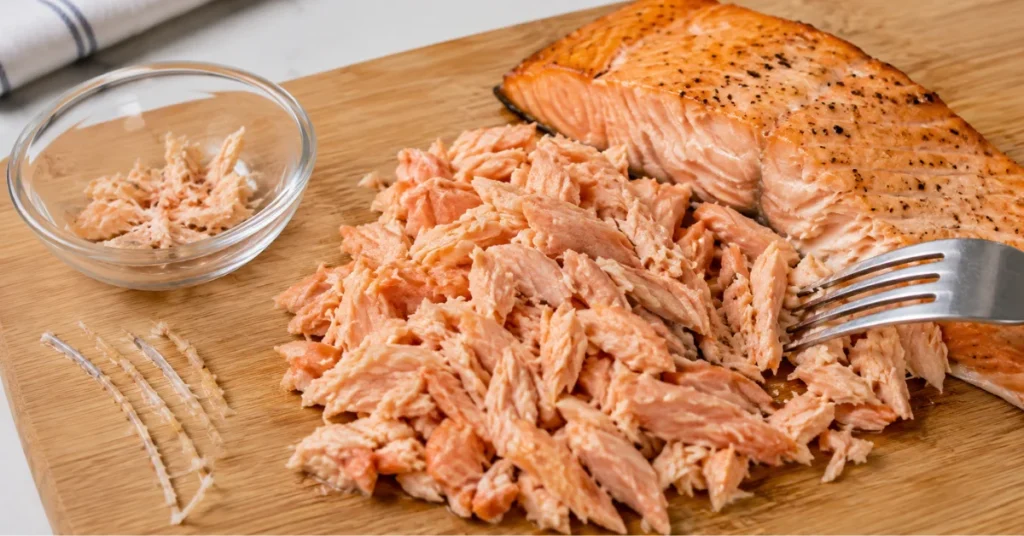
Preparation is where most of the actual risk lives, not the fish itself. Get this part right and the rest is straightforward.
Start with these basics every time:
- Cook the salmon fully. No rare or sushi-grade fish for babies.
- Remove every bone by running your fingers along the flesh before serving; even small pin bones are a choking risk.
- Skip added salt, butter, and heavy seasoning; a squeeze of lemon or a pinch of dill is plenty.
- Flake it into small, soft pieces, or give a strip about the width of two adult fingers for self-feeding.
- Mix flaked salmon into mashed potato, yogurt, or avocado if your baby prefers a softer texture.
Anyone who has managed a baby’s early meals knows the second and third feedings usually go faster than the first, once you’ve worked out a texture your baby actually tolerates well. Baking, poaching, and steaming all work fine. Frying in oil adds unnecessary fat and salt for a baby this young.
Can 9 Month Old Eat Salmon Cooked in Different Ways?
Method matters more than most parents expect. Baked salmon, wrapped loosely in foil at a moderate oven temperature, comes out moist and flakes apart with almost no effort. Poached salmon, simmered gently in water or low-sodium broth, tends to be the softest option and works well for babies still adjusting to lumpier textures.
Steaming keeps more of the natural nutrients intact and avoids added fat entirely. Air frying is fine too, as long as no breading or heavy oil is used, though it can dry the fish out slightly if left in too long. Whichever method you choose, the goal stays the same: fully cooked, easy to flake, and free of added salt.
Grilled or pan-seared salmon can also work for a 9-month-old, provided it isn’t charred and any blackened seasoning crust is scraped off before serving, since that crust often carries concentrated salt or spice.
Mercury and Portion Guidance Parents Actually Need
This is the part that causes the most anxiety, so it’s worth being specific. Mercury builds up in fish over time, and it affects a developing nervous system more than an adult one. That’s why some fish are flagged for pregnant women and young children specifically.
Salmon consistently ranks among the lower-mercury choices, which is exactly why it shows up so often in early feeding guides. Fish to actually avoid for babies include swordfish, shark, king mackerel, and marlin. These carry high enough mercury levels that they’re not recommended at any age this young.
A reasonable target most feeding guides land on is giving low-mercury fish like salmon one to two times a week. That’s frequent enough to get the nutritional payoff without any real accumulation concern. There’s no need to track it obsessively; just rotate salmon with other low-mercury proteins like chicken, lentils, or cod rather than serving fish at every meal.
Comparing Salmon to Other Early Fish Choices
Parents often ask how salmon stacks up against other fish they’re considering for early feeding, especially once they’ve settled the basic question of can 9 month old eat salmon and start thinking about variety. Here’s a quick side-by-side.
| Fish Type | Mercury Level | Texture for Babies | Suitable From |
|---|---|---|---|
| Salmon | Low | Soft, flakes easily | ~6 months |
| Cod | Low | Firm, flakes well | ~6 months |
| Sardines (boneless) | Low | Soft, mashable | ~6 months |
| Tuna (canned light) | Moderate | Firm, dry | Limited amounts only |
| Swordfish | High | Firm | Not recommended |
| Shark | High | Firm | Not recommended |
This table isn’t exhaustive, but it covers the fish parents ask about most when they’re building a first-year feeding plan around seafood.
Allergy Signs to Watch For
Fish allergies are less common than milk or egg allergies, but they do happen, and they can appear the first time a baby eats it or after a few exposures. Watch for:
- Hives or a rash around the mouth or body
- Swelling of the lips, face, or eyes
- Vomiting or sudden stomach upset
- Coughing, wheezing, or trouble breathing
- Unusual fussiness paired with any of the above
Mild reactions like a small rash near the mouth are fairly common with acidic or new foods and don’t always mean an allergy. Trouble breathing, facial swelling, or repeated vomiting is different. That calls for urgent medical attention, not a wait-and-see approach. If a close family member has a fish allergy, it’s worth talking to your pediatrician before the first taste rather than after.
Can 9 Month Old Eat Salmon If There’s a Family Allergy History?
Family history changes the approach without necessarily ruling salmon out. If a parent or sibling has a diagnosed fish allergy, or if your baby already has eczema or another confirmed food allergy, many pediatricians recommend introducing fish under closer supervision rather than skipping it entirely.
That usually means giving an even smaller first taste, staying home and alert for the following hours, and spacing it out from other new allergens by at least a few days. Some pediatricians may suggest doing the first exposure in the office for babies with a strong allergy history. This isn’t a reason to delay indefinitely though; current pediatric guidance leans toward earlier, cautious exposure over avoidance, since delaying allergenic foods hasn’t been shown to lower allergy risk.
What to Do If Your Baby Refuses Salmon the First Time
Plenty of parents who already know can 9 month old eat salmon still hit a wall at the first spoonful. A pushed-away spoon or a scrunched-up face doesn’t mean salmon is off the table for good. Babies often need several exposures to a new flavor or texture before they accept it, and fish has a stronger taste and smell than the fruits and vegetables most babies meet first.
Try mixing a small amount of flaked salmon into a food your baby already likes, such as mashed sweet potato or a familiar yogurt. Try it again a few days later without added pressure. Most feeding specialists suggest eight to ten exposures before deciding a food genuinely isn’t working, so one refusal at nine months is rarely the final word.
Storing and Reheating Salmon for Babies
Cooked salmon for a baby should go into the fridge within two hours of cooking and gets used within one to two days for best quality and food safety. Store it in a sealed container separate from raw foods to avoid any cross-contact.
Reheat only to a level that’s fully warmed through, then let it cool to a safe eating temperature before serving, since microwaves can leave hot spots that scald a baby’s mouth. Skip refreezing already-cooked salmon that’s been reheated once; freeze raw portions instead if you’re batch-prepping, and thaw only what you plan to cook that day.
Baby-Led Weaning vs. Purees With Salmon
Families split into two main camps here, and salmon actually works reasonably well for both.
For baby-led weaning, a flaked or strip-cut piece gives a nine-month-old something to grip and gum without much risk of a whole chunk breaking off unexpectedly, since cooked salmon tends to shred rather than snap. For puree-based feeding, mashing salmon with a starchy vegetable like sweet potato smooths out the texture and makes it easier to swallow for babies who aren’t quite ready for finger foods yet.
Neither method is objectively safer, provided the bones are removed and the fish is fully cooked. Pick whichever matches how the rest of your baby’s meals already look.
What the Research Shows
A birth cohort study tracking thousands of infants found that a large majority of children who were introduced to fish regularly during their first year were still eating it consistently by their first birthday, with researchers linking early, repeated exposure to a lower rate of later fish allergy. That pattern lines up with broader allergen research from the past decade, which shifted pediatric guidance away from delaying allergenic foods and toward introducing them earlier, in small amounts, while parents can monitor closely.
Nutrition researchers also point to salmon’s fat profile as a reason it shows up so often in early feeding recommendations. The omega-3 content feeds into brain and eye development during a stage when a baby’s brain is growing faster than at almost any other point in life. That’s not a minor detail; it’s a big part of why pediatric nutrition guidance treats fish as a food worth introducing early rather than something to postpone.
Signs Your Baby Isn’t Ready for Salmon Yet
Age isn’t the only factor. A handful of readiness signs matter more than the calendar:
- Sitting up with little extra help
- Good head and neck control
- Losing the automatic tongue-thrust reflex
- Showing interest in table food
If your nine-month-old is behind on these milestones, that’s a conversation for your pediatrician rather than a reason to panic. Every baby develops on a slightly different timeline, and readiness signs matter more than a specific week or month.
A Quick Note for Non-Traditional Feeding Situations
Not every baby follows a standard weaning path. Premature babies, babies with reflux, or babies with an existing food allergy diagnosis often need an adjusted timeline for new foods, including fish. In these situations, the general guidance above still applies loosely, but a pediatrician or pediatric dietitian should weigh in on timing and portion size specific to that child’s medical history.
For families using formula or exclusively breastfeeding past six months, salmon still fits into the complementary feeding routine the same way. It’s an addition alongside milk, not a replacement for it, at this stage. Grandparents, daycare staff, or anyone else feeding the baby should also be briefed on bone removal and portion size, since it’s often not the parent who prepares every meal.
Conclusion
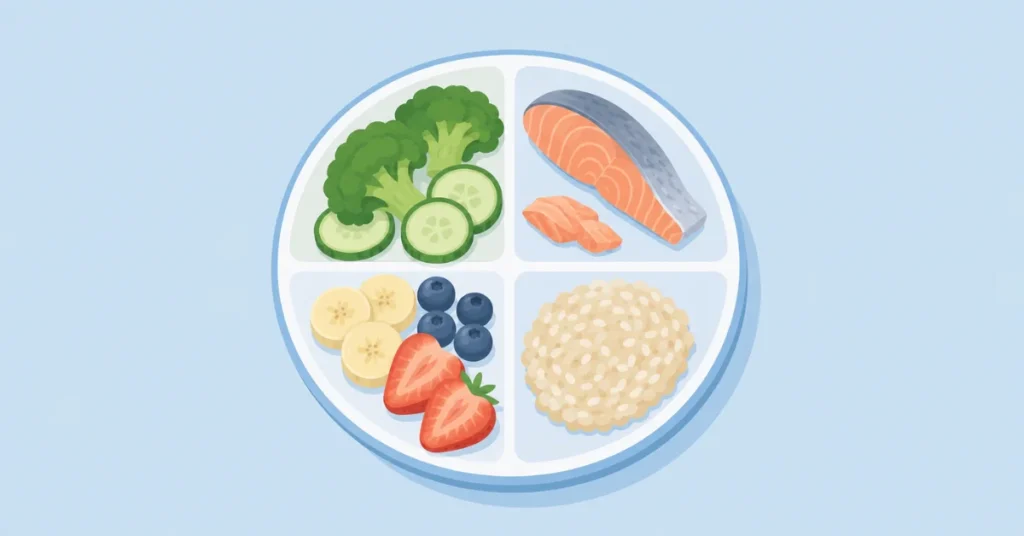
So, can 9 month old eat salmon? Yes, in most cases, and with good reason. It’s one of the lower-mercury fish options, it’s rich in nutrients that back early brain development, and it breaks apart into textures that work well for beginner eaters. The details that matter come down to preparation: full cooking, careful bone removal, no added salt, and a watchful first few servings to catch any allergic reaction early. Get those basics right, and salmon can become a regular, useful part of your baby’s meals well before their first birthday.
This article is for informational purposes only. Always consult a qualified pediatrician or healthcare professional before introducing new foods to your baby’s diet, especially if there is a family history of food allergies.
FAQs
Can a 9-month-old eat salmon every day?
Daily salmon isn’t necessary and isn’t the standard recommendation. Most feeding guides suggest low-mercury fish like salmon one to two times a week, rotated with other proteins like chicken, lentils, or cod.
Is canned salmon safe for a 9-month-old?
Yes, canned salmon can work well, as long as bones are removed and sodium is reduced by rinsing it under water before serving. Check the label for added salt.
What if my baby has a reaction to salmon?
Mild rashes around the mouth are common and usually not serious. Swelling of the face, trouble breathing, or repeated vomiting needs urgent medical attention; call emergency services or your local equivalent immediately.
Can I give my baby smoked salmon?
Smoked salmon that’s fully cooked can be offered in small amounts, but it’s typically high in sodium, so it shouldn’t be a regular choice for a baby this young. Cold-smoked, uncooked salmon should be avoided.
How much salmon should a 9-month-old eat in one sitting?
A small serving, roughly one to two tablespoons of flaked fish, or a strip about the size of two adult fingers, is plenty for one meal at this age.