
Can you freeze avocados without ending up with a sad, gray-brown mess? Yes, you can — but only if you skip the whole-fruit route and freeze the flesh mashed or pureed with a splash of citrus. That single distinction is the difference between an avocado that tastes like guacamole three months from now and one that’s fit only for the compost bin.
Avocados aren’t seasonal the way they used to be, but the price still swings hard depending on the week. When a store drops them to a dollar each, buying extra only pays off if you actually know how to store the surplus, which is exactly why the question of whether you can freeze avocados comes up so often among home cooks in 2026. Freezing is the answer, but not every method delivers the same result.
Can You Freeze Avocados Whole?
Technically, yes. Practically, you probably shouldn’t.
An avocado is mostly water wrapped around fat and fiber. When it freezes, ice crystals form inside the cells and rupture them. Once thawed, that structural damage shows up as watery, grainy flesh that has lost the silky texture avocados are known for.
Whole avocados frozen with the skin on do avoid one problem: browning. Because the peel blocks air, the flesh underneath stays green rather than oxidizing. But color isn’t texture, and texture is what most people actually want back after months in the freezer.
If you’re only ever going to blend the fruit into a smoothie, freezing it whole and slicing off chunks later works fine. For sandwiches, salads, or anything meant to be eaten in slices, the outcome disappoints almost every time.
The Method That Actually Preserves Quality
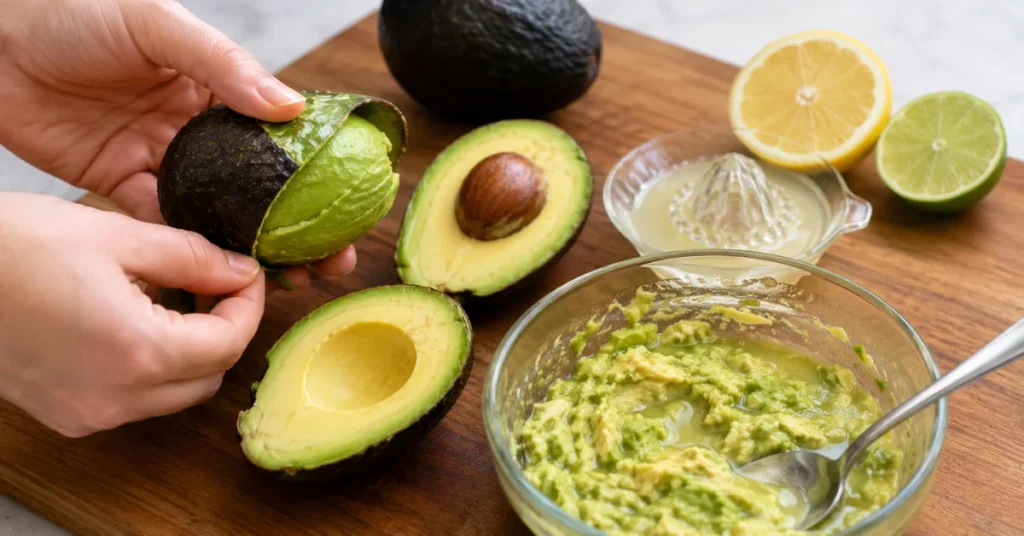
If you want to freeze avocados without the grainy aftermath, mash or puree them before they ever go in the freezer. That single step solves most of the texture problem, because it breaks down the cell structure on your own terms instead of letting ice crystals do it randomly.
Here’s the process step by step:
- Choose avocados that are fully ripe, soft to gentle pressure, not hard or green.
- Halve them, remove the pit, and scoop the flesh into a bowl or food processor.
- Add citrus juice, roughly one tablespoon of lemon or lime juice for every two avocados, and blend or mash until smooth.
- Pack the puree into an airtight container or freezer bag, pressing out as much air as possible.
- Leave a little headspace at the top of rigid containers, since the puree expands slightly as it freezes.
- Label with the date, then freeze flat if you’re using bags, which speeds up thawing later.
The citrus does double duty. It slows the browning reaction that turns cut avocado an unappetizing brown, and it adds a little acidity that works well in guacamole and dressings anyway. A small pinch of ascorbic acid works as a substitute for people who want to keep the flavor neutral.
How Long Frozen Avocado Actually Lasts
This is where sources disagree, and it’s worth clearing up.
Federal food-preservation guidance from a university extension program built on decades of USDA-backed testing puts pureed avocado at up to a year in the freezer for a safe, edible product. That’s the outer window for safety and general quality, not necessarily peak taste.
Commercial avocado industry groups tend to recommend a much shorter window, often around one month, for the best flavor and texture. The gap isn’t a contradiction. It reflects the difference between “still safe to eat” and “still tastes like it just came off the tree.” Anyone who has pulled a bag from the back of the freezer after six months knows the fruit is usually fine, just a notch less vibrant than day one.
For most home cooks, using frozen avocado puree within one to two months hits the sweet spot between convenience and quality.
What Frozen Avocado Is Actually Good For
Once you freeze avocados, the texture changes character — that’s not a flaw, it’s just a different ingredient than fresh.
- Smoothies: thawed puree blends in without any lumps and adds the same creaminess as fresh fruit.
- Guacamole: works well, especially with the citrus already mixed in, though fresh tomato or onion added after thawing brightens it back up.
- Salad dressings and sauces: the softer, slightly watery texture that ruins a slice of avocado toast disappears once it’s blended into a dressing base.
- Baby food: pureed avocado freezes into portioned ice cube trays, giving parents ready-made servings without added sugar or salt.
What frozen avocado is not good for is anything where the whole-fruit texture matters, like sliced onto toast, layered into a sandwich, or diced into a salad. The mushiness that comes with thawing is noticeable in those uses no matter how carefully the fruit was frozen.
How to Thaw Frozen Avocado Properly
Thawing matters almost as much as freezing when it comes to final texture.
The gentlest method is moving the container from the freezer to the refrigerator and letting it thaw overnight. This slow, cold thaw limits further cell damage and keeps the puree as smooth as possible.
For a faster option, set the sealed bag in a bowl of cool water for twenty to thirty minutes, checking periodically. Avoid thawing on the counter at room temperature for extended periods, since that gives bacteria more time to grow once the fruit is above refrigerator temperature.
Once thawed, use the avocado within a day or two and don’t leave it sitting out. If the puree looks watery after thawing, a quick stir usually brings it back to a usable consistency for guacamole or dressing, even if it never returns to the exact texture of fresh fruit.
Freezing Avocado Slices and Cubes: The Middle Ground
Between whole avocados and full puree sits a third option that some cooks prefer: freezing slices or cubes.
Cut ripe avocado into slices or small cubes, brush each piece with lemon or lime juice, then spread them on a parchment-lined tray so they aren’t touching. Freeze the tray for a couple of hours until firm, then transfer the pieces into a freezer bag. This flash-freezing step keeps the pieces from clumping into one solid block, so it’s easy to pull out just a handful at a time.
The texture after thawing still softens more than fresh avocado, so this method suits smoothies, blended sauces, and cooked dishes rather than anything meant to be eaten raw and firm. It does, however, offer more portion control than a single block of frozen puree, which matters for households that only need a small amount at a time.
Freezing Guacamole: A Separate Question
People who ask “can you freeze avocados” are often really asking whether pre-made guacamole survives the freezer too, and the honest answer is: it depends on the recipe. Guacamole made purely from avocado, citrus, and salt generally freezes reasonably well, since it’s already in a mashed, citrus-treated state. But guacamole loaded with tomato, onion, or cilantro is a different story. Those ingredients hold water and turn watery or limp after thawing, which can throw off the whole dish. If freezing a batch, keeping the recipe simple and adding fresh mix-ins after thawing produces a better result than freezing the finished, fully loaded dip.
What the Research Shows
Detailed testing from food science labs and cooking test kitchens consistently points to the same conclusion: ice crystal damage to cell walls, not spoilage, is the reason whole and sliced avocados turn mushy after freezing. Kitchen testing that compared whole frozen avocados against peeled, lemon-treated slices found that both avoided browning, but neither retained the creamy texture people expect from fresh fruit. That lines up with why puree consistently outperforms whole or sliced freezing across nearly every source that’s tested it side by side.
Interest in freezing produce at home has also grown steadily as grocery prices have stayed volatile through 2026, with more households treating the freezer as an extension of the pantry rather than a place only for meat and leftovers.
Common Mistakes to Avoid
Most people who search can you freeze avocados already know the general answer is yes, but a few habits quietly ruin frozen avocado before it even gets used:
- Freezing underripe fruit, which never finishes ripening once thawed and stays firm and starchy.
- Skipping the citrus step, which speeds up browning even inside a sealed container.
- Leaving air pockets in the bag, which causes freezer burn and a stale, off flavor.
- Refreezing avocado that’s already been thawed once, which degrades texture even further.
Anyone who has managed a busy kitchen and tried to cut corners on food prep knows that skipping these small steps is exactly what turns a smart freezer stash into wasted food a few weeks later.
Final Answer: Can You Freeze Avocados?
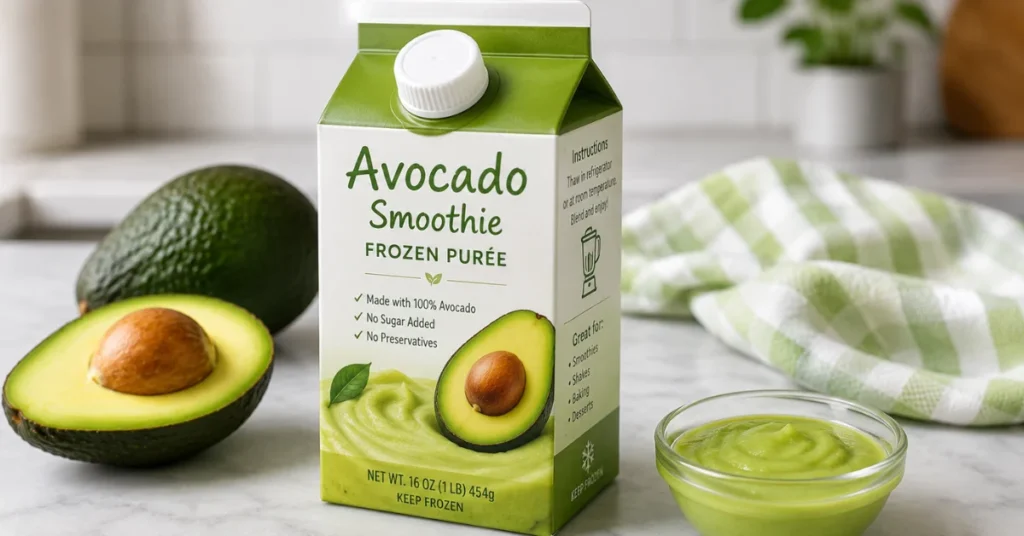
Yes, mashed or pureed, with citrus, in an airtight container, using fruit that’s already ripe. That combination is what keeps frozen avocado usable months later instead of a grainy disappointment. Whole avocados can go straight into the freezer too, but expect a softer, less appealing texture once thawed, and plan to use that batch in smoothies or blended sauces rather than anything served in slices.
For anyone who buys avocados in bulk when the price drops, this small bit of prep work turns a fleeting sale into weeks or months of usable ingredient, with far less waste than letting a bowl of ripe fruit go bad on the counter.
FAQs
Does freezing avocado destroy the nutrients?
Freezing preserves most vitamins and minerals reasonably well. Some vitamin C content diminishes over time, similar to what happens with other frozen fruits, but the fat, fiber, and potassium content stay largely intact.
Can you freeze avocado in the shell without cutting it open?
Yes, whole unpeeled avocados can go straight into the freezer, but the texture after thawing is notably softer and grainier than fresh fruit, so this method works best for fruit destined for smoothies.
Why did my frozen avocado turn brown even with citrus juice?
Browning after freezing usually means air got trapped in the container or bag. Pressing out excess air before sealing is the most common fix.
Can you refreeze avocado after it’s been thawed?
It’s not recommended. Refreezing thawed avocado further breaks down the cell structure, leaving an even mushier, wetter texture the second time around.
How do you know if frozen avocado has gone bad?
Look for a sour smell, an unusually dark or grayish color throughout, or visible ice crystals and freezer burn on the surface, any of those are signs it’s past its best.